Cabinet materials can differ between the box, back, shelves, doors, and drawer fronts. A proposal that says “wood cabinets” may not identify each part. Ask for the actual material, thickness, finish, edge treatment, and construction method for the product quoted.
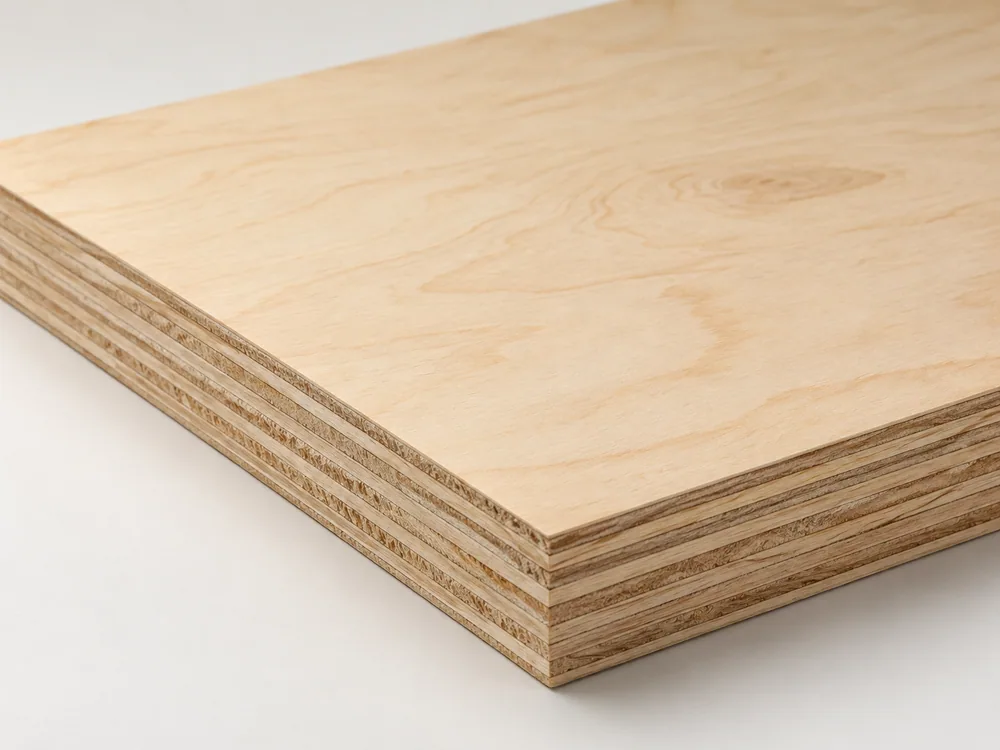
Plywood
Plywood is made from bonded layers of wood veneer. Compare grade, thickness, core, and where the manufacturer uses it; a plywood box can still have doors or shelves made from other materials.
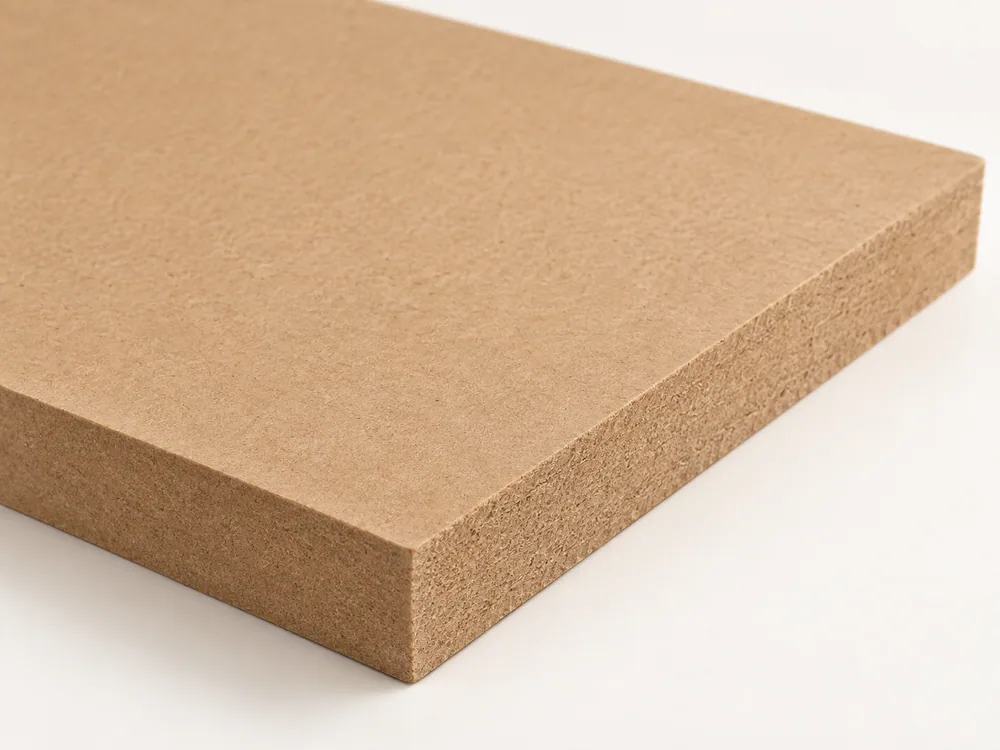
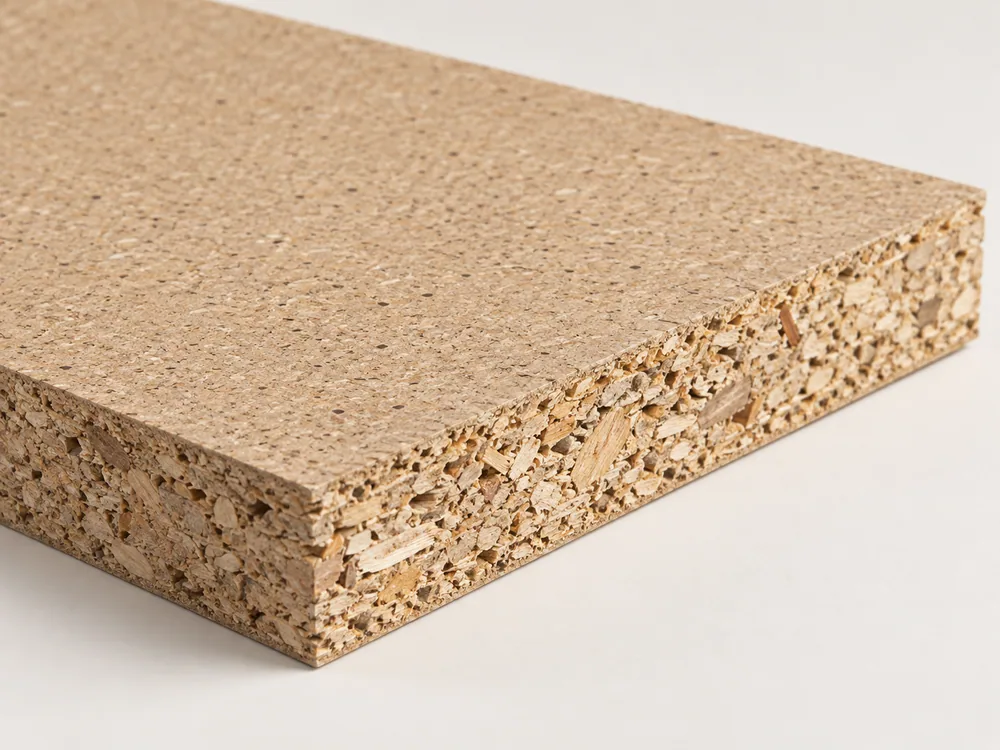
MDF and particleboard
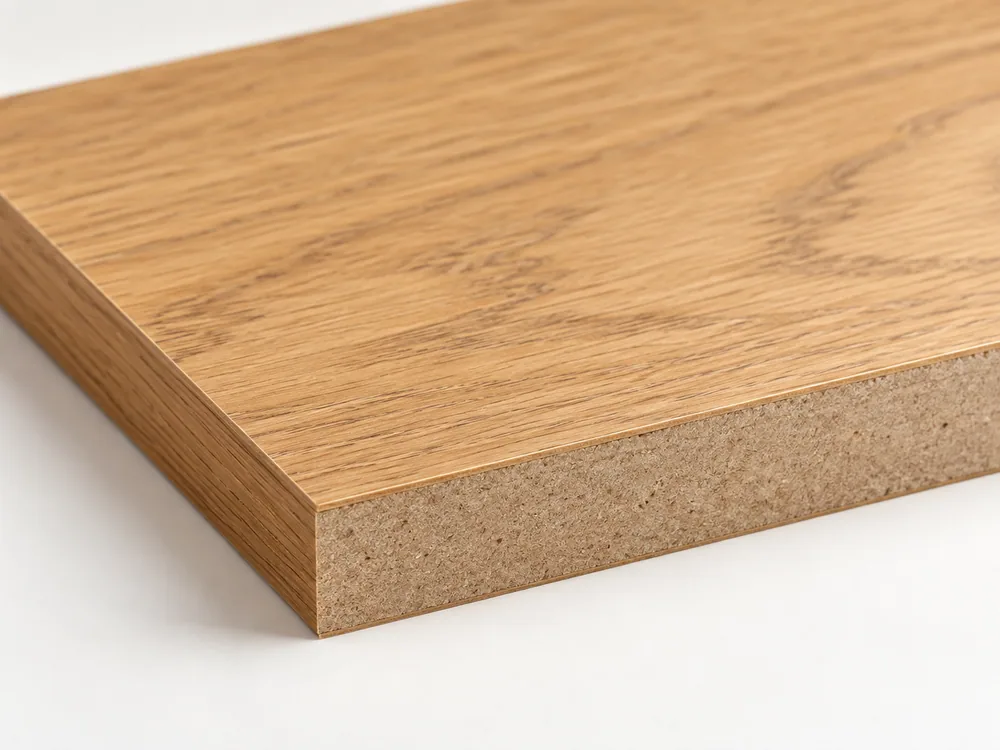
Medium-density fiberboard (MDF) and particleboard are engineered wood panels. Their performance depends on the panel specification, finish, edge sealing, hardware, and exposure to moisture. Ask what is used in each component instead of judging an entire cabinet from a single material name.
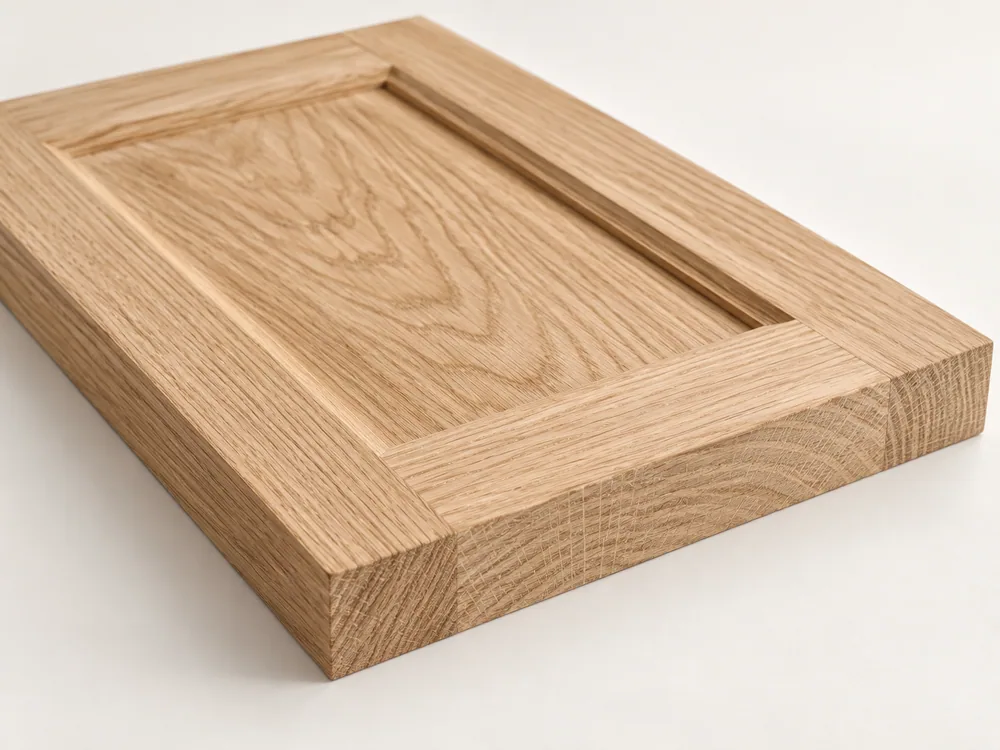
Wood doors and finishes
Solid wood, wood veneer, painted engineered panels, and other finishes create different looks and maintenance needs. Review the actual sample and the manufacturer’s care instructions. Natural wood color and grain can vary between pieces.
Ask about emissions documentation
In the United States, EPA TSCA Title VI regulates formaldehyde emissions from hardwood plywood, MDF, and particleboard. Ask suppliers for applicable compliance documentation. See the EPA consumer guidance.
Material is one part of a complete specification. Also compare box construction, joinery, drawer hardware, hinges, finish, warranty, and installation. Use our quote comparison checklist.
Continue comparing cabinet choices
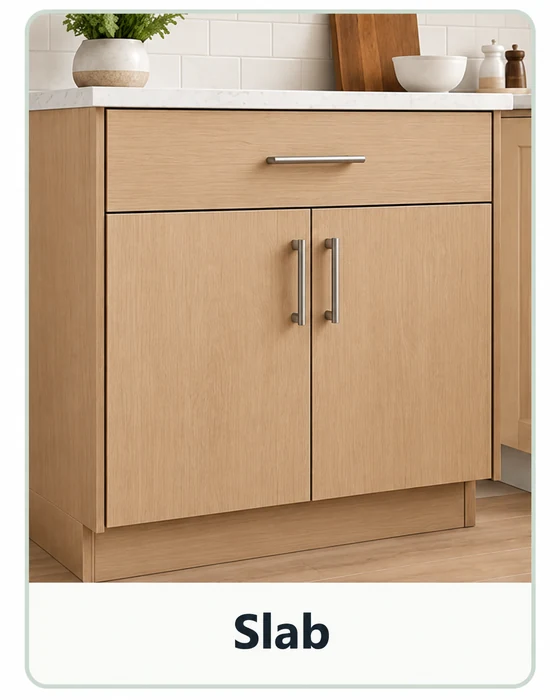
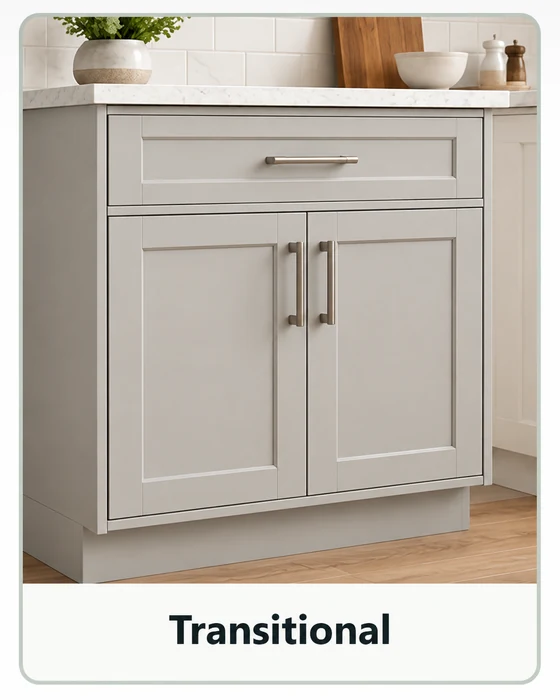
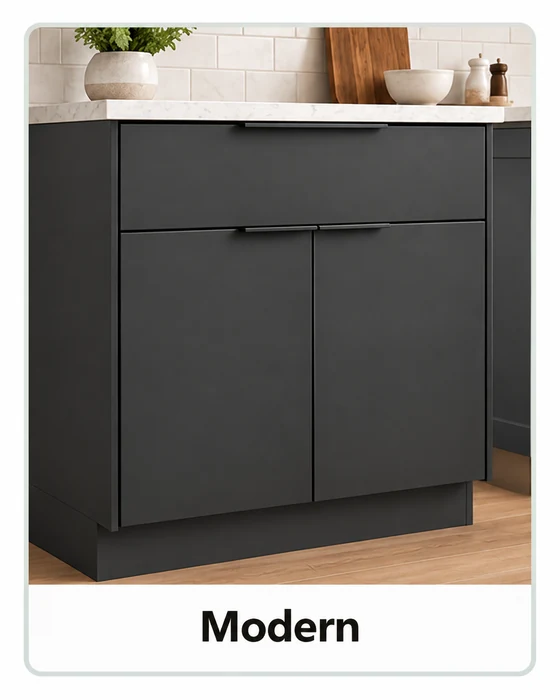
Cabinet box material is only one part of the decision. Compare RTA, stock, semi-custom, and custom cabinets for sizing and configuration options, then review door styles for the appearance you want. When you request quotes, ask each seller to identify the materials used in the box, shelves, doors, and drawers.
Cabinet materials and finishes up close