
Popular kitchen cabinet colors range from enduring whites and warm wood tones to the softer greens, dusty blues, navy, and muted pastels appearing in current design coverage. The right choice is not simply the most talked-about shade: it is the one that works with your kitchen’s counters, floors, backsplash, lighting, and the atmosphere you want. Use color trends to broaden your options, then test samples in your own space before committing.
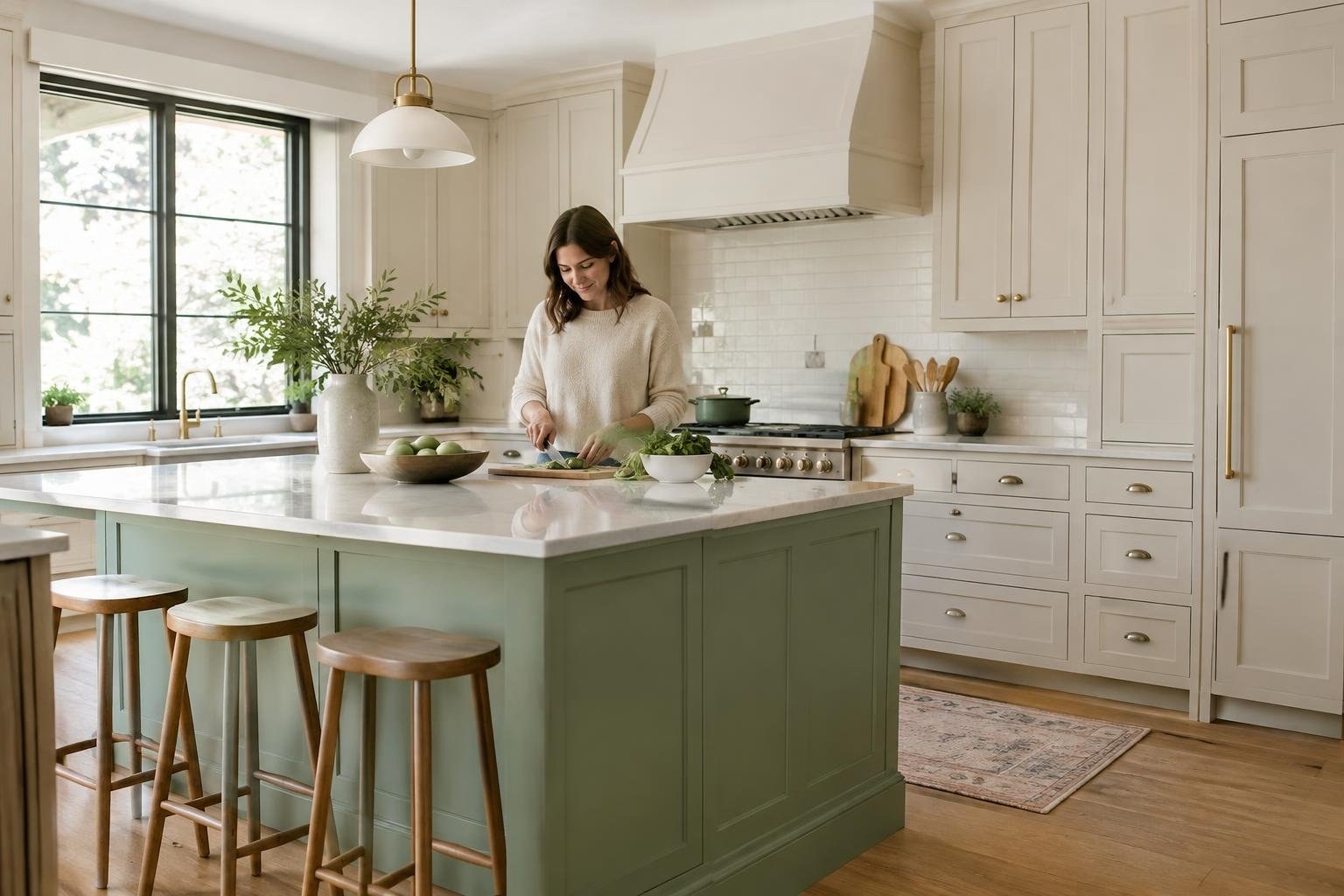
Popular kitchen cabinet colors at a glance
“Popular” can mean a color that is broadly familiar or one receiving fresh attention in current design coverage. White and off-white continue to be presented as versatile choices, while light gray, soft green, and wood tones offer other relatively restrained directions. Current trend articles also highlight sage and nature-inspired greens, blue and navy, warm wood, terracotta, and muted pastels.
These categories are starting points, not a prescription. A color that looks appealing in a photograph may behave differently beside your own countertops, flooring, backsplash, and lighting. Decide first whether you want the cabinets to blend in, introduce a gentle shift, or become a defining feature of the room. Then compare actual samples against the materials that will remain.
Trend coverage is time-sensitive. Treat 2026 roundups as a snapshot of ideas rather than a guarantee that a shade will suit every home or remain fashionable indefinitely.
White, off-white, and warm wood: flexible foundations
White and off-white make a calm foundation when you want other kitchen elements to stand out. They are described as versatile, long-lasting choices, and can be a useful direction if you prefer a lighter, neutral appearance. Before choosing a specific white, compare it with the fixed finishes in your kitchen. The goal is a coordinated room, not simply a popular paint-chip name.
Warm wood tones offer a different kind of neutral: they bring visible natural color and can be paired with painted cabinetry. A darker wood stain can also provide contrast against lighter colors. If you are choosing a stain, look at samples of the actual wood and finish rather than relying only on a digital image.
Consider these when:
- You want a restrained palette that can accommodate changes in other decor.
- You already have strong colors or patterns in counters, flooring, or tile.
- You want to mix painted cabinets with wood details or stained cabinetry.
Neither neutral paint nor wood automatically guarantees a timeless result. Door style, hardware, surrounding finishes, and your own preferences all affect the overall look.
Sage, blue, navy, and pastel cabinet colors
Sage, smoky green, and related muted greens are popular ways to bring a nature-inspired color into a kitchen without making the palette feel as dramatic as a very dark shade. Depending on your design, green can appear on the island, on lower cabinets, or across the full set. Current color coverage presents these greens as adaptable to both traditional and more contemporary settings.
Blue offers another route to color. A mid-tone dusty blue can make a statement while remaining measured when paired with light counters, white tile, and natural wood accents. Navy is a deeper alternative that can bring more visual weight. Pastels such as light blue and seafoam provide a softer, playful option, particularly in vintage or coastal-inspired rooms.
Use the shade, not just the color family, to guide the decision. Two greens can differ substantially in brightness and undertone. Compare the sample with the materials around it and consider whether you want the cabinets to feel subtle, colorful, or bold.
Bold choices: navy, black, terracotta, and deep red
Dark colors and saturated shades can give cabinets a strong presence, but they ask for more attention to the full palette. Black cabinetry, for example, can read as bold rather than simply gloomy when considered alongside the other colors and materials. Deep red is another distinctive option; a design example pairs it with pale pink and classic marble to create a considered combination.
Terracotta and other earthy colors can add warmth, while a darker wood stain can balance lighter, airy colors. These are not automatic pairings for every kitchen. The actual materials, amount of color, and nearby finishes will shape the result.
Compare before committing:
- Would you prefer the color across every cabinet or as an island or accent?
- Does the shade complement the counters, floor, backsplash, and wall color?
- Will you still like the overall look if you change decorative accessories later?
- Can you view a real sample alongside the finishes that will stay?
If you are drawn to a bold shade but uncertain about using it everywhere, compare a smaller application with a full-color scheme before finalizing the design.
What a cabinet color project includes and how selection works
A cabinet color change is more than picking a shade. The process is to establish what is changing, identify the finishes that will stay, choose the cabinet color and finish, then confirm the selection against samples. If you are buying new cabinetry, coordinate color decisions with the cabinet style and other selections. If you are considering a color update to existing cabinets, first clarify what work the proposed finish change includes with the provider.
- List what stays. Note the countertops, backsplash, floor, wall color, appliances, and any wood finishes that will remain.
- Choose a direction. Decide whether you want a neutral, a nature-inspired color, a soft pastel, or a bolder focal point.
- Compare samples. Put the candidate beside the room’s other materials and review more than one shade in the same family.
- Confirm the details. Ask what finish is being specified, which cabinets or areas it covers, and how the final selection will be recorded.
Do not treat a trend photograph as a complete specification. The image may not show the precise finish, surrounding colors, or conditions in your room.
When should you consider changing your cabinet color?
A color refresh may be worth exploring when the existing palette no longer fits your preferred style, when the room feels too neutral for your taste, or when you are planning a broader kitchen update and need to coordinate cabinet finishes with other selections. You do not have to follow a trend to justify a change; the practical question is whether a different color will better suit the room and your preferences.
Start by identifying the specific problem you want the new color to solve. Is the current look too cool, too plain, or at odds with the counters or floor? Would a softer green or blue add interest, or would a lighter neutral help keep the room’s palette restrained? Making the goal clear can narrow the choices.
Color alone may not address a concern that is really about the cabinet layout, style, or condition. If the project involves more than appearance, clarify those needs separately before comparing color options. A new shade should be one part of a decision that accounts for the whole kitchen.
Cost and pricing: what a color estimate should explain
The useful first step is to define the scope: choosing a color for new cabinets, specifying a finish as part of a larger project, and changing the finish of existing cabinets are different proposals. Request a written estimate that describes the work rather than comparing a headline number alone.
Ask providers to identify the cabinets or areas included, the finish and color being quoted, any preparation or related work, and which selections or services are excluded. If the project includes additional kitchen changes, ask that those items be separated so you can see what is driving the total. Compare like with like, and ask how a change in color or scope affects the proposal.
Do not assume a particular color costs more or less without a project-specific explanation. The shade itself may not describe all the work involved. Get the details in writing before you approve a proposal.
Options and tradeoffs: compare whole palettes, not color names
The final look depends on more than the color name. Consider the shade and undertone, the cabinet finish, how much cabinetry carries that color, and the colors and materials beside it. A muted green on an island may create a different balance from the same shade across every cabinet. A deep stain next to light colors has a different effect from a full suite of dark cabinets.
Compare these options as complete palettes:
| Direction | Possible effect | Points to compare |
|---|---|---|
| White, off-white, or light gray | Restrained and flexible | Check the selected shade against fixed finishes. |
| Warm wood or dark stain | Visible natural color or deeper contrast | Review the actual stain and surrounding painted colors. |
| Sage or muted green | Nature-inspired color with a softer feel | Compare the shade and decide whether it is an accent or full palette. |
| Dusty blue or navy | From understated color to a stronger focal point | Consider light counters, tile, wood details, and how much blue to use. |
| Pastel, terracotta, or deep red | Distinctive, playful, or warm character | Test the combination with the room’s other colors before selecting. |
These are design directions, not guaranteed outcomes. Use physical samples and the actual surrounding materials to make the comparison meaningful.
What to expect: timing, approvals, and project coordination
Project timing depends on the work being proposed, so do not infer a schedule from the color choice alone. A selection discussion for new cabinets is not the same scope as changing the finish on existing cabinets or coordinating color with a larger remodel. Ask the provider to describe the sequence and expected timing for your specific project.
Before approving the work, confirm when the color and finish must be selected, when the provider needs access to the kitchen, what decisions could affect the schedule, and how changes after approval will be handled. If other kitchen work is involved, ask how the color decision fits into that larger sequence.
Request a written schedule with key decision points rather than relying on a broad verbal estimate. The purpose is not to promise a universal duration, but to make responsibilities and dependencies clear. Keep a record of the final color and scope so the people involved are working from the same selection.
How to choose a qualified cabinet or design provider
Compare providers by how clearly they explain the proposed color work, not only by their price or portfolio. A project involving new cabinets, an existing-cabinet finish change, or a larger kitchen update can require different scopes. Ask who is responsible for the finish selection, what work is included, and how the provider will confirm the color before proceeding.
- Ask for a written description of the work and the specified finish.
- Review relevant project examples and ask how the displayed selections were coordinated with other materials.
- Ask who performs each part of the work and who answers questions if the result differs from the agreed selection.
- Request references or other relevant information you can independently review.
- Compare proposals with the same scope and ask questions about exclusions or changes.
A polished image can help you understand a provider’s design approach, but it does not by itself establish that the proposal suits your kitchen. Choose someone who can discuss your actual finishes, explain tradeoffs, and document decisions.
Permits, credentials, warranties, and safety questions
Color selection itself does not establish which permits or credentials apply to a project. Requirements depend on the work and location. If the color update is part of a larger remodel, ask the provider which parts may require local approval and confirm the requirements with the relevant local authority.
Before work begins, ask for the relevant written terms: what the proposal covers, who is responsible for the work, how changes are documented, what warranty or other protection applies, and how concerns will be handled. Do not assume that a color sample, a verbal assurance, or a trend article explains the terms of a particular product or provider’s work.
For work that extends beyond color selection, ask the provider to explain any safety considerations and who is qualified to perform the work. Keep the final color and scope in writing, and make sure you understand the agreement before authorizing the project.
Ways to save time and money without guessing
To keep planning focused, define the scope before requesting proposals: decide whether you are choosing colors for new cabinets, changing the finish of existing cabinets, or coordinating color with a larger remodel.
Narrow the options by comparing samples with the finishes that will stay, and decide whether the color will cover all cabinets or only an accent area. Recording the chosen color, finish, and coverage can help everyone work from the same selection.
When comparing proposals, ask providers to quote the same scope and identify what is included. Clear selections and comparable proposals make planning easier, but do not guarantee a lower cost or a shorter schedule.
Mistakes, red flags, and a practical color-selection checklist
Common color-selection problems often begin when a homeowner chooses from a trend photo without checking the materials that will remain. Another mistake is treating all greens, whites, or blues as interchangeable. A particular shade and finish can look different from another in the same broad color family, so record the actual selection and compare a representative sample with the room.
Use this checklist before you commit:
- Have you identified which kitchen finishes are staying?
- Have you compared the cabinet sample directly with those materials?
- Have you decided whether the color belongs on all cabinets or only part of the kitchen?
- Have you reviewed the specified finish, not just a paint or stain name?
- Does the written proposal define the work, exclusions, and change process?
- Have you checked local requirements if the work expands into a remodel?
Be cautious if a provider cannot explain what the estimate covers, will not identify the selected finish, or asks you to approve a broad scope without documenting it. Pause and resolve the uncertainty before authorizing work.
Choose a cabinet color you can live with, not just one that is trending
Use trends as a way to discover colors, not as a substitute for making a decision that fits your kitchen. Current coverage puts soft greens, dusty blues, navy, warm wood, and muted pastels alongside familiar whites and off-whites. The strongest choice for your project is the palette that works with the materials you have, suits your preferred style, and is clearly specified before the work begins.
For a more neutral result, start with white, off-white, light gray, or wood tones. For a gentler shift, compare sage, muted green, or dusty blue. For a more pronounced look, explore navy, black, terracotta, or deep red as part of a coordinated palette. Test, compare, and document the specific finish rather than relying on a general color label.
Browse cabinet options at CabinetSupply.com for your next project, and use the selections that appeal to you as a starting point for a conversation about your kitchen’s palette and scope.
Factors that affect the project
Several choices shape a cabinet color project. First, decide how much cabinetry will carry the color: design coverage shows green and other nature-inspired shades used on an island, lower cabinets, or across a full kitchen. The area selected affects how the color relates to the rest of the room.
Next, consider the shade and the materials around it. A mid-tone dusty blue is shown with white tile, light countertops, and natural wood accents, while dark wood stains are presented as a possible complement to blue and green. Pastels offer another direction for vintage, coastal, or modern kitchens. These examples illustrate options, not guaranteed results for every space.
Finally, define the palette you want before choosing a specific color. Compare whether the cabinets should blend with existing finishes, add a restrained accent, or become a stronger focal point. The intended coverage and nearby materials help clarify which shades to consider.
Frequently asked questions
What kitchen cabinet color is the most timeless?
White and off-white remain versatile choices, while light gray, soft green, and natural wood tones can also work as lasting neutrals. The best choice depends on your fixed finishes, lighting, and preferred style.
Are green kitchen cabinets still popular?
Sage and other muted greens are popular choices for a nature-inspired look. Consider them on an island, lower cabinets, or throughout the kitchen, and compare a sample with your counters and flooring before deciding.
Do blue cabinets work in a kitchen?
Yes. Dusty or mid-tone blue can add color while pairing with white tile, light countertops, or natural wood accents. Sample the specific shade in your kitchen because neighboring finishes and light affect how it reads.
Will dark kitchen cabinets make a room look too dark?
Dark cabinets can create a bold look, but assess the whole room rather than choosing from a small color chip. Compare the shade with wall color, counters, flooring, and lighting, and consider using it on an island or lower cabinets.
Are pastel kitchen cabinets a good idea?
Yes. Muted pastels, including blush pink, light blue, and seafoam green, can suit vintage, coastal, or modern kitchens. Use samples and surrounding materials to keep the overall palette cohesive.
What cabinet color goes with everything?
There is no universal best color. White, off-white, light gray, soft green, and wood tones are flexible starting points; choose based on your room, existing materials, desired mood, and willingness to embrace a stronger color.
Can I use two cabinet colors in one kitchen?
Yes. A contrasting island can introduce color without using it on every cabinet. Compare the island shade with the perimeter cabinets, counters, and nearby finishes so it feels intentional.
How do I test kitchen cabinet colors before buying?
Ask for a sample of the actual finish when possible, and view it near the cabinets, counters, flooring, and backsplash in your kitchen. Check it at different times of day before making a final selection.
People Also Ask
Which kitchen cabinet colors are popular right now?
White and off-white are versatile, familiar choices. Soft green, light gray, and wood tones are also described as enduring cabinet colors, while a stronger shade can add personality when balanced with the rest of the room.
What is the most popular green for kitchen cabinets?
Sage, dusty green, and other nature-inspired greens are among the colors featured in current cabinet trend coverage. You can use them on an island, lower cabinets, or throughout the kitchen, depending on the effect you want.
Are blue kitchen cabinets in style?
Yes. Navy and dusty blue are featured in current color ideas. Balance a blue shade with the room’s other materials, such as light counters, white tile, or natural wood, and test the actual finish before choosing.
What should I decide before requesting a cabinet color estimate?
Clarify whether you are selecting a color for new cabinets, changing the finish of existing cabinets, or coordinating color with a larger project. Identify which cabinets or areas are included, and ask providers to specify the finish, related work, and exclusions in writing.
What should I ask about warranty coverage for a cabinet color project?
Ask for the applicable written warranty or other protection, what it covers, who is responsible for the work, and how concerns will be handled. Terms depend on the specific product and provider, so do not assume a sample or verbal assurance explains the coverage.
Can red kitchen cabinets look timeless?
Deep red can be introduced as a considered accent and paired with pale pink or classic marble, as shown in one current design example. Test the combination against your kitchen’s actual surfaces before committing.
The most popular kitchen cabinet colors offer ideas, not rules. Whites and warm wood remain dependable foundations, while sage, blue, navy, muted pastels, and deeper shades provide ways to add character. Start with the fixed elements in your kitchen, test colors in the room, and choose a finish and palette you will enjoy living with beyond the current trend cycle.
Your next step
Explore cabinet options at CabinetSupply.com for your next project.
Last reviewed and updated November 2, 2026 by the CabinetSupply Editorial Team.
Sources
- Trend Report: 5 Kitchen Cabinet Color Trends to Have on Your Radar in 2026
- Most Popular Kitchen Cabinet Colors in 2026 | Plain & Fancy Cabinetry
- 10 Kitchen Cabinet Colors Beating White in 2026
- Top Kitchen Cabinet Color Trends for 2026 – Cabinetdoors.com
- 31 Popular Kitchen Cabinet Colors with Long-Lasting Appeal
- 7 Best Kitchen Cabinet Color Ideas to Consider in 2026
- The Hottest Trends in Kitchen Cabinet Colors for 2026
- 21 Kitchen Cabinet Ideas | Paint Colors & Inspiration | Benjamin Moore
- Kitchen Cabinet Colors: How to Choose the Right Shade for Your Home