
Kitchen cabinet cost is one of the largest planning questions in a kitchen update, but there is no single price that fits every room. The total depends on how many cabinets you need, which cabinet line and finish you select, how complicated the layout is, and whether your estimate includes delivery, removal, and installation. Published estimates differ substantially because they do not always describe the same project scope. Use them as starting points, then compare written quotes built around your actual kitchen and selections.
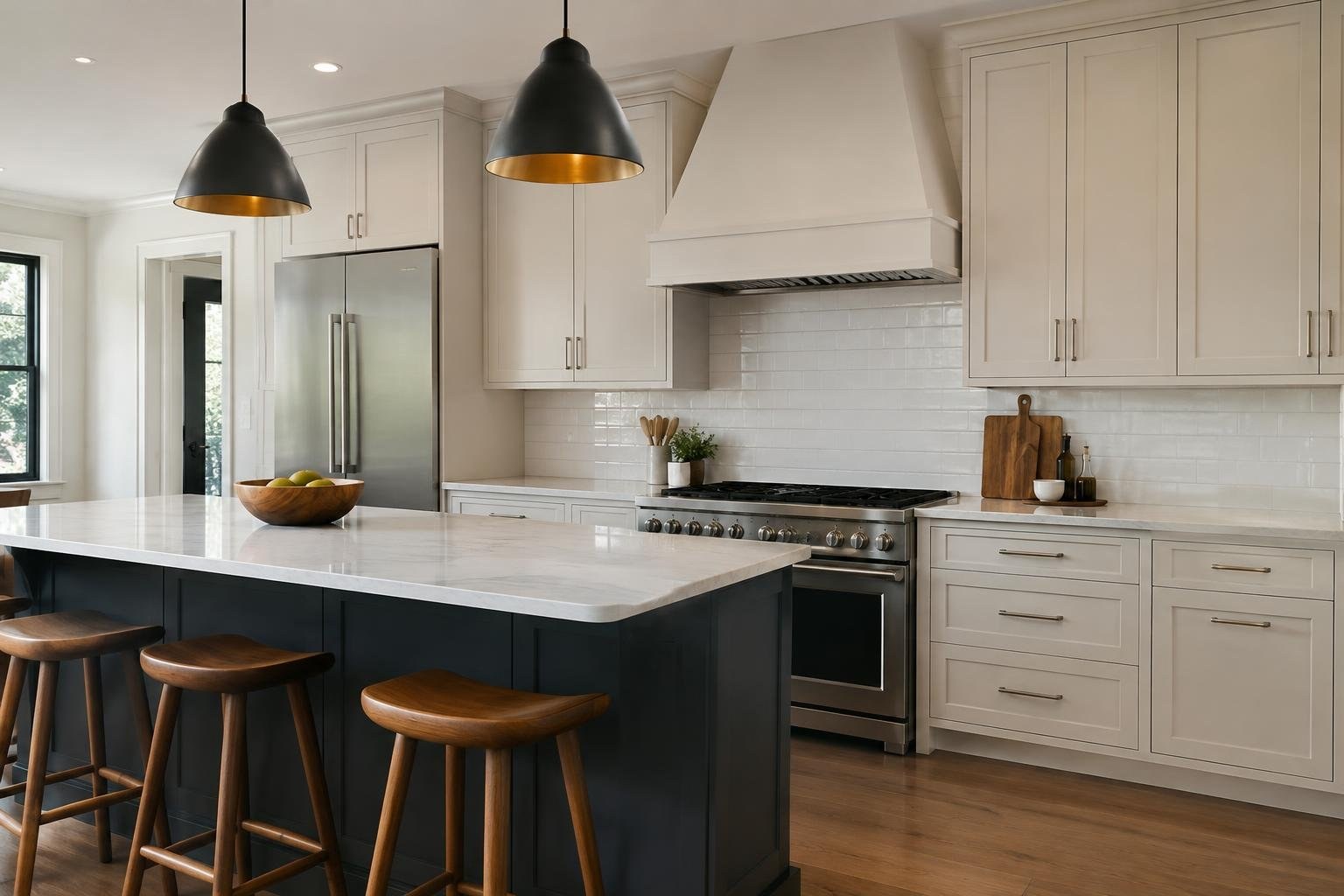
What Does a Kitchen Cabinet Project Include?
A kitchen cabinet project may mean replacing every cabinet, adding storage to part of a room, or changing the layout as part of a larger remodel. Start by defining the work, because the phrase “cabinet cost” may refer to cabinet products alone or to a wider installed project.
A useful project scope identifies:
- Which wall and island runs are included, with the cabinet quantities and sizes.
- The cabinet line, door style, finish, interior options, and hardware.
- Whether old cabinets will be removed and disposed of.
- Whether the price includes delivery, assembly, installation, trim, fillers, and final adjustments.
- Which countertop, plumbing, electrical, flooring, painting, or appliance tasks are separate.
For an early budget, record what you want to change and what you want to keep. If the layout stays the same, say so when seeking estimates. If you are considering a new island, pantry, or relocated appliances, list those changes separately so providers can price the added scope.
When Should You Consider Replacing or Updating Cabinets?
Cabinet replacement is worth exploring when the existing storage or layout no longer serves the household, when you are already planning a broader kitchen update, or when visible condition concerns call for closer evaluation. A dated color by itself does not prove the cabinets need replacement.
Before deciding, inspect what you can see and use: doors and drawers, cabinet interiors, shelves, and the way the cabinets meet walls and counters. Make a note of recurring usability problems, such as inadequate storage, awkward access, or a layout that makes everyday tasks difficult. If you see damage or suspect a moisture issue, find and address the underlying cause rather than covering it with new doors or a finish.
Compare three possible paths: keep the cabinets and make limited repairs, update the visible surfaces if the existing layout and boxes suit your needs, or replace the cabinets. The right choice depends on condition, desired changes, and the complete estimate for each option. A professional can help assess the existing setup, but ask what the evaluation covers and whether repairs are included.
Kitchen Cabinet Cost: What Published Estimates Can Tell You
Published kitchen cabinet estimates vary widely. Kitchen Cabinet Kings reports total project figures from about $2,000 to $40,000, while Truvinere Renovations gives a range extending to $60,000. Kitchen Cabinet Kings also gives a narrower typical total of $4,500 to $15,000, and Highland Cabinetry reports $3,000 to $12,000 for mid-range cabinets. These figures are not a guaranteed price or a like-for-like comparison. They reflect different project scopes and estimating approaches.
HomeGuide reports $150 to $500 per linear foot installed, while The Home Depot's guide gives $69 to $119 per linear foot for installation or replacement. Do not assume these figures cover the same work. A labor rate, an installed cabinet rate, and a total project budget are different measures. Confirm the estimate's geography, date, products, and included tasks before using any published figure to plan a purchase.
Ask providers to separate the cabinet package from installation and other work. Request the total, not just a per-foot rate, and have the estimate specify quantities, cabinet selections, and exclusions. When one quote seems far below another, check whether it omits labor, removal, delivery, trim, or other work rather than treating the lowest number as the best value.
What Factors Affect Kitchen Cabinet Cost?
The biggest budget differences usually come from the scope and selections, not one isolated feature. Use this list to explain why estimates may diverge:
- Quantity and layout: More cabinets, an island, tall pantry units, and unusual corners change the order and the work involved.
- Cabinet type and sizing: Standard sizes, made-to-order options, and custom dimensions offer different degrees of fit and choice. Ask which product tier a quote uses.
- Materials and finish: Door material, finish, color, and interior specification affect the product selection. Compare the actual product descriptions rather than relying on labels such as “premium.”
- Storage and hardware: Organizers, pull-outs, specialty drawers, and upgraded hardware can add to a package. Identify the features you want before comparing prices.
- Site and installation conditions: Removal, delivery access, wall or floor corrections, fillers, trim, and adjustments can change labor and project scope.
- Related work: Countertops, appliance changes, plumbing, electrical, flooring, and wall repairs may sit outside a cabinet quote.
Ask the estimator to explain any allowance or assumption that is not a final selection. A budget estimate based on a kitchen shape, size, design level, door style, material, and finish is a useful planning step, but it is not the same as a final itemized proposal.
Cabinet Options: Stock, Semi-Custom, Custom, and Alternatives
Cabinet options trade off price, fit, selection, and project planning. Compare the product and the work needed to install it, not just the category name.
| Option | Potential advantage | What to check |
|---|---|---|
| Stock | Useful when available sizes, styles, and finishes suit the room. | Confirm the full size range, finish availability, and how gaps or odd dimensions will be handled. |
| Semi-custom | Can offer more selection or sizing flexibility than a standard line. | Ask which modifications are available, how they affect price, and whether the quote reflects the selected configuration. |
| Custom | Can be considered when the design calls for specific dimensions or details. | Clarify drawings, specifications, approvals, production assumptions, and what happens if measurements change. |
| Ready-to-assemble | May suit buyers prepared to manage assembly and verify installation responsibilities. | Confirm who assembles, installs, delivers, and resolves missing or damaged components. |
These labels alone do not establish quality. Request the product specification and a sample, if available. Compare cabinet interiors, shelves, drawers, joinery, door and edge finish, hinges, glides, and warranty terms. Ask which features change durability or repair options and which mainly change appearance.
There are also alternatives to full replacement. Keeping sound cabinets and making a limited update may be appropriate if the layout works and the desired change is mostly visual. Replacement may make more sense when the room needs a new arrangement or storage plan. Get a defined scope and price for each option before choosing.
How Should You Plan Cabinet Style, Storage, and Layout?
Plan cabinet selections as part of the kitchen, not as a standalone purchase. Consider how the doors and finish relate to counters, backsplash, flooring, lighting, appliances, and adjacent rooms. Bring samples together when possible, because a color viewed alone may look different beside other large surfaces.
Before approving a design, check that the storage plan fits daily use. List what you need to store, such as cookware, dishes, pantry goods, cleaning items, and small appliances. Decide which items need easy access and which can go in less convenient locations. Ask for the cabinet plan to show appliances, doors, drawers, fillers, and any island seating or overhangs so you can identify potential conflicts.
Do not select a feature only because it looks useful in a display. Ask what it costs, what it stores, how it affects nearby drawers or doors, and whether the same goal can be met with a simpler configuration. A well-considered standard cabinet may be a better fit than an upgrade that adds little value to your routine.
Measurements and Layout Checks Before Ordering
Accurate measurements and a clear site plan help providers prepare a useful estimate and reduce avoidable fit problems. Record wall lengths, ceiling height, doors, windows, and the current locations of appliances and visible utilities. Note obstacles such as vents, soffits, trim, outlets, and plumbing connections. Share the information with a qualified professional and confirm who is responsible for field verification before the order is finalized.
Ask the provider to show the proposed cabinet runs and identify fillers, end panels, trim, and appliance openings. Check door and drawer swings against nearby walls, appliances, and each other. For an island, review walking paths and seating needs with the project designer rather than relying on a cabinet count alone.
Measurements made during early planning are helpful for discussion, but they should not substitute for the ordering professional's required verification. Do not move or alter electrical, plumbing, gas, or structural elements yourself unless you are qualified and local requirements allow it. Confirm who coordinates that work and whether it is part of the cabinet contract.
What to Expect: Project Steps and Timing
The calendar includes more than the days installers are in the kitchen. The sequence may include design, product selection, measurement verification, ordering, delivery, site preparation, installation, and follow-up adjustments. The duration depends on the provider's process, product availability, project scope, and readiness of the room.
- Define the scope. Decide what stays, what changes, and which work is separate from the cabinet package.
- Plan and select. Review the layout, cabinet specifications, finish, hardware, and accessories.
- Verify and approve. Confirm measurements, drawings, responsibilities, and written pricing before authorizing the order.
- Prepare the site. Agree on removal, protection, access, utility coordination, and delivery arrangements.
- Install and inspect. Review fit, alignment, hardware operation, finish condition, and agreed completion items.
Ask for a project-specific schedule with expected order, delivery, and installation milestones. Find out what must be completed before each stage and how delays or damaged components will be handled. Avoid scheduling countertop templating, appliance installation, or other dependent work based on an assumed date that the cabinet provider has not confirmed.
DIY or Professional Cabinet Installation?
Some experienced DIYers may choose to assemble or install cabinets, but the decision should reflect the product instructions, tools, ability to work accurately, and responsibility for correcting mistakes. Cabinet layout and secure attachment require care. If the project involves uncertain walls, heavy units, utility changes, or a complex layout, professional help is worth considering.
| Approach | May suit | Consider before deciding |
|---|---|---|
| DIY assembly or installation | A prepared person following the product requirements and able to manage layout and fit checks. | Time, tools, lifting, fastening, leveling, finish protection, and how the product warranty treats owner installation. |
| Professional installation | Projects where the owner wants a defined installation responsibility or the site and layout are challenging. | Experience with similar projects, included work, schedule, insurance, licensing where required, and how callbacks are handled. |
| Split responsibility | Owners who want to handle a limited task while assigning technical work to a provider. | Document who measures, assembles, installs, coordinates trades, and accepts responsibility if one stage affects another. |
Do not assume a cabinet seller also installs, removes old units, or manages other trades. Put every responsibility in writing. For regulated work, confirm local requirements and use appropriately qualified professionals.
How to Choose a Qualified Cabinet Provider
Choose a provider based on the written scope and evidence that the team can manage the work, not on the first price offered. Compare providers who are quoting the same cabinet list and project conditions.
- Ask about relevant project experience and request examples of comparable layouts or scope.
- Confirm who will measure, prepare drawings, order products, deliver, install, and manage follow-up.
- Ask for current licensing where required and proof of insurance appropriate to the work.
- Request references or reviews and look for consistent information about communication and problem resolution.
- Get a written estimate with product details, quantities, labor, delivery, removal, exclusions, and schedule assumptions.
- Review payment milestones, change-order procedures, warranty documentation, cleanup, and responsibility for damaged or missing items.
When bids differ, ask each provider to explain the difference in scope or product. A lower total may leave work out, while a higher price may include items another estimate omits. Ask direct questions and keep the answers with the proposal. Choose the team that gives you a clear, credible plan and a scope you understand.
Explore Cabinet Supply's provider directory to browse cabinet professionals serving your area and begin comparing project options.
Permits, Credentials, Warranties, and Safety
Cabinet work does not have one universal permit or credential checklist. Requirements depend on location and the work involved. Ask your local building department whether permits or inspections apply, especially if the project changes plumbing, electrical, gas, structural components, or other regulated work. Confirm that the person responsible for each task meets local requirements.
Review the cabinet and installation warranty documents before signing. Ask what is covered, who handles a claim, how to report a problem, and whether installation or maintenance conditions affect coverage. Get answers in writing rather than relying on a general verbal assurance.
Agree on safe access, dust and debris handling, protection of the work area, and who will disconnect or reconnect appliances and utilities. Do not attempt hazardous or regulated tasks without the proper qualifications. Clarify cleanup and disposal in the contract so that those responsibilities do not become a surprise at the end.
Ways to Reduce Cabinet Costs Without Cutting Corners
Cost control works best when it preserves fit, function, and a clear installation plan. Consider these practical steps:
- Keep the existing layout if it works, and price layout changes as a separate choice.
- Compare standard sizes and available finishes before requesting special dimensions or specifications.
- Prioritize storage upgrades you will use often; remove options that do not solve a real problem.
- Ask for a basic and upgraded selection so you can see the cost difference in writing.
- Keep decisions together and approve the final plan before ordering to reduce late revisions.
- Compare full-scope estimates, including delivery, removal, installation, and trim.
- Ask whether a suitable existing cabinet can remain rather than assuming every unit must be replaced.
Do not save money by relying on unverified measurements, skipping a written agreement, ignoring unsafe site conditions, or assigning technical work to someone who is not qualified. Those shortcuts can lead to fit, safety, or responsibility disputes. If reducing scope, agree on exactly what is being removed from the project and whether the remaining work still fits together.
Common Mistakes, Red Flags, and a Pre-Order Checklist
Use this checklist before signing a cabinet proposal:
- Are the cabinet quantities, sizes, style, finish, and selected accessories listed?
- Does the drawing match the room, appliance plan, and intended storage?
- Are field measurement and final order approval responsibilities clear?
- Does the price state whether delivery, assembly, installation, removal, and disposal are included?
- Are fillers, panels, trim, hardware, and final adjustments addressed?
- Are countertop work, utility changes, flooring, and wall repairs included or explicitly excluded?
- Is there a project schedule with ordering, delivery, and installation milestones?
- Are payments, change orders, warranty details, and problem resolution explained?
Watch for vague product descriptions, a price that cannot be tied to a clear scope, pressure to approve before measurements or selections are settled, or unclear responsibility between the seller and installer. Ask for revisions to the written proposal before paying or authorizing an order. A useful estimate is one you can understand, compare, and use to hold both sides to the agreed work.
Frequently asked questions
How much do kitchen cabinets cost?
Published estimates vary by project scope. Reported totals range from about $2,000 to $40,000, with some estimates reaching $60,000 and others giving narrower ranges. Treat these as broad benchmarks, not a quote. Cabinet quantity, construction, layout, labor, and what the estimate includes all matter.
Is it better to price cabinets per linear foot or per cabinet?
A linear-foot estimate can be useful for an early comparison, but it does not guarantee that two quotes cover the same work. Check whether the rate includes materials, delivery, removal, installation, fillers, trim, hardware, and taxes, and verify how the provider measures linear footage.
Does kitchen cabinet pricing include installation?
Installation and replacement labor may be priced separately from broader cabinet project estimates. Ask each provider to separate cabinet materials, installation, demolition, delivery, and any additional work so you can compare like with like.
Are stock cabinets cheaper than custom cabinets?
Stock cabinets are a practical place to start when standard sizes and available finishes suit the room. Semi-custom or custom options may be worth comparing when the layout needs different dimensions or specific design details. Ask for itemized quotes before deciding whether the added flexibility fits your budget.
Why are cabinet installation quotes so different?
Installation quotes can differ because they may use different pricing measures and include different work. For example, one guide lists $69 to $119 per linear foot for installation or replacement, while another reports $150 to $500 per linear foot installed. Those figures are not necessarily comparable. Check each quote for the cabinet products, delivery, removal, installation, trim, and other included or excluded work.
What should a cabinet estimate include?
Ask for a written estimate that lists the cabinet products and quantities, installation scope, removal and disposal, delivery, trim and fillers, hardware, countertop responsibilities, schedule, payment milestones, warranty information, and exclusions. Confirm how changes will be priced before work begins.
How long does it take to install kitchen cabinets?
Installation time varies with the project scope, site readiness, cabinet availability, layout, and work by other trades. Ask the provider for a project-specific schedule that separates ordering and delivery from on-site installation, and clarify what could delay each stage.
How can I save money on kitchen cabinets?
Keep the existing layout if it serves your needs, compare standard cabinet sizes, limit add-ons to features you will use, and price simpler finishes alongside upgraded options. Do not cut costs by skipping accurate measurements, safe installation, or a clear written scope.
People Also Ask
How do I estimate the cost of new kitchen cabinets?
Start with the cabinet run, style, construction level, finish, and accessories you want. Then request an estimate that states whether delivery, installation, removal, and related work are included. That is more useful than comparing a headline price alone.
Are kitchen cabinets cheaper without installation?
They can be, but the answer depends on which price is being compared. A cabinet-only quote and an installed quote have different scopes. Ask for the same cabinet list and work description in each estimate before drawing a conclusion.
Are ready-to-assemble cabinets a good way to save money?
They may offer a lower-cost route when standard dimensions and available finishes work for the room. Compare the complete project, including assembly or installation responsibilities, delivery, and any adjustments needed to fit the kitchen.
Does changing my kitchen layout increase cabinet costs?
Often, changing the layout can add planning and installation work, and may involve other parts of the kitchen. Ask the provider to identify the cost and work associated with moving cabinets, appliances, plumbing, or electrical connections instead of assuming they are included.
Do cabinet upgrades add much to the total price?
Not always. A simpler finish may lower the quote, while selected storage features can improve how the kitchen works. Compare upgrades by how often you will use them, the added price, and whether a simpler cabinet arrangement solves the same problem.
How many cabinet quotes should I get?
Request a detailed, written scope from more than one qualified provider and compare identical selections. Ask each provider to identify exclusions, schedule assumptions, payment terms, and how additional work will be approved and priced.
Kitchen cabinet cost depends on more than the number of boxes. Compare the same scope, materials, finish, accessories, delivery, installation, and exclusions across written estimates. Decide which parts of the project matter most, confirm measurements and responsibilities before ordering, and leave room in your budget for site conditions or changes.
Your next step
Explore cabinet options at CabinetSupply.com for your next project.
Last reviewed and updated November 2, 2026 by the CabinetSupply Editorial Team.
Sources
- Kitchen Cabinet Cost in 2026 – Average Price, Stock vs Custom, and Hidden Fees
- 2026 Average Cost of Kitchen Cabinets | New Kitchen Cabinet Prices – HomeAdvisor
- Kitchen Cabinet Installation Cost Guide
- What Do Kitchen Cabinets Cost? + Budget Tips
- How Much Do New Kitchen Cabinets Cost in 2026 | HCI
- How Much Do Kitchen Cabinets Cost? – CabinetSelect.com
- Kitchen Cabinet Cost Estimator | Diamond at Lowe's
- How Much Do Kitchen Cabinets Cost? (2026 Prices) – HomeGuide
- Cabinet Installation Cost: What to Budget and How to Compare Quotes