
Shaker kitchen cabinets are a cabinet-door style, not a promise about what lies behind the door. The recognizable design has a recessed center panel framed by simple, clean lines. That restrained look is available in many colors and finishes, and may be sold as ready-to-assemble or assembled cabinetry. To choose well, compare the complete cabinet specification and project scope, not just a photo or the word “shaker.” This guide explains how to evaluate the style, plan your selections, compare quotes, and avoid common purchasing and installation surprises.
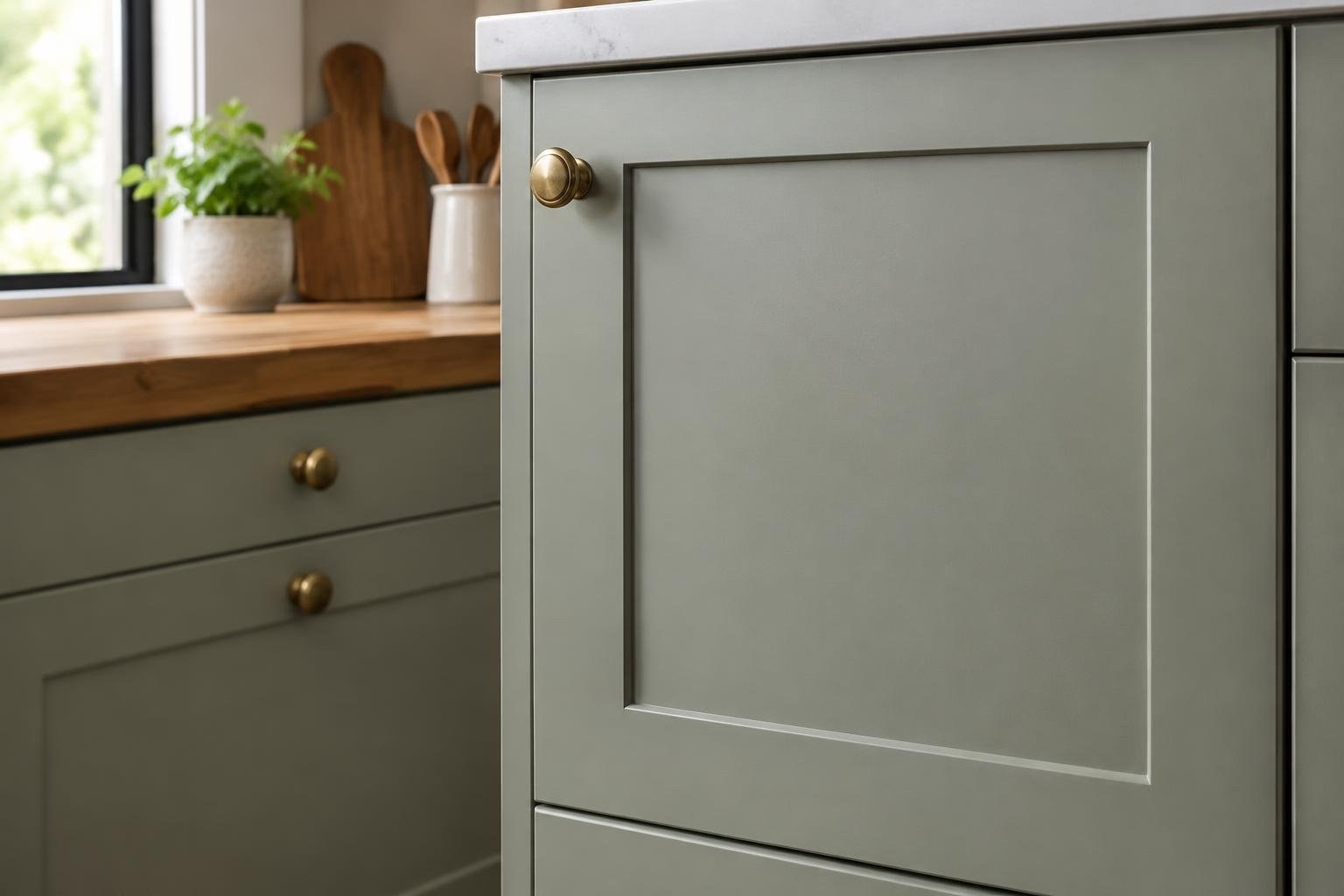
What are shaker kitchen cabinets, and what does the style include?
Shaker describes a door style recognized by a frame surrounding a recessed center panel. The design is intentionally simple, with clean lines and little ornament. The name alone does not tell you what the cabinet box is made from, how the drawer is built, which finish is used, or whether installation is included.
That distinction matters when comparing products. Two kitchens can both use shaker doors and still differ in color, construction, hardware, storage configuration, delivery format, and project responsibilities. Treat the style as one selection within a larger cabinetry decision.
Before comparing prices, write down the parts of the project you need: cabinet layout, door and drawer fronts, finish, hardware, accessories, delivery, assembly, installation, and any associated remodeling work. Then ask each provider to quote the same scope.
When might shaker cabinets fit your kitchen, and when should you reconsider?
The style may be worth considering if you want a cabinet door with a defined frame but less ornament than a highly detailed raised-panel design. Its simple profile is offered for kitchens described as traditional, contemporary, and modern, so the surrounding selections help determine the finished impression.
Look at your kitchen as a whole. Consider the cabinet color beside the counters, backsplash, flooring, wall color, appliances, and lighting. Also consider whether your existing cabinets are structurally sound and whether the main concern is their appearance, storage, or layout. A new door style will not by itself solve a poorly functioning plan.
Signs to pause and reassess include a sample that looks different in the room than it did online, uncertainty about the finish, an unclear cabinet specification, or a quote that does not explain delivery and installation. Resolve those questions before committing to a design or order.
How should you compare shaker colors and finishes?
Shaker cabinets are available in a range of colors and finishes. White is a common selection, while gray, black, and navy are among the other available color directions. Stained versions can show the wood grain, unlike a solid painted appearance.
Choose based on the specific product and your room, not on a color name alone. Ask for a physical sample when possible, and look at it beside your countertop, backsplash, flooring, and wall color under the kitchen’s lighting. A screen image can help narrow options, but it is not a substitute for assessing the finish in context.
- White: A bright, clean visual direction that can work with many surrounding finishes.
- Gray: A neutral option; compare undertones with fixed materials in the room.
- Dark colors: Black or navy can create a more pronounced cabinet presence. Check the room’s overall balance before selecting.
- Stain: Consider it when you want the wood grain to remain visible.
Confirm whether the sample represents the same door, material, and finish being quoted. Ask how the finish is specified and what care guidance applies to that product.
RTA versus assembled shaker cabinets: what should you compare?
Shaker is a style category; ready-to-assemble and assembled describe how a cabinet is supplied. Products are offered in both formats, so compare the exact product and responsibilities rather than assuming one format is universally superior.
| Option | What to clarify | May suit you if |
|---|---|---|
| Ready-to-assemble (RTA) | What assembly is required, who performs it, and what support applies if parts are damaged or missing. | You are prepared to manage assembly or have arranged help. |
| Assembled | How cabinets are delivered, handled, and installed, and what the quoted price includes. | You prefer cabinets supplied already assembled. |
Also compare the cabinet line, dimensions, finish, included shelves and hardware, accessories, delivery, and installation. A style photo cannot establish those details. Request the product specification and scope in writing before treating two offers as comparable.
What affects shaker kitchen cabinet cost and project pricing?
Shaker styling is available across a variety of products and price positions. Because costs depend on the location, kitchen size, and project scope, ask for a quote based on your actual plan rather than relying on a general per-kitchen figure.
Review whether each estimate includes the same items. The cabinet quantity and configuration, finish, door selection, accessories, delivery, assembly, installation, and related work can affect the amount you are asked to pay. Separate cabinet costs from labor and other remodeling work so you can see what is driving the total.
Request line items for cabinetry, hardware and storage accessories, delivery, installation, demolition or removal if applicable, and any work outside the cabinet scope. Ask what is excluded, how changes are priced, and how the final amount could change if measurements or selections change. Compare complete estimates, not a headline figure or a claim of a low price.
Which project factors can change the design, quote, or result?
Cost and results depend on more than the door profile. The cabinet plan, selected product, color or stain, delivery format, accessories, and amount of work included all shape what you receive. A design requiring special sizing or a more involved layout should be described clearly in the quote so you can compare it with other proposals.
Before requesting estimates, gather the information you have about the room: wall lengths, ceiling height, doors and windows, appliances, and the locations of plumbing, electrical, and ventilation. These details help the design and installation team identify constraints. Have the responsible professional verify final measurements before cabinets are ordered.
Confirm what is fixed and what is still undecided. If countertop, appliance, or utility choices may change the plan, raise that early with the people responsible for those parts of the project. Do not assume that an estimate includes work simply because it is part of the wider kitchen remodel.
What does the cabinet process include, and what timing should you expect?
Cabinet purchases typically involve defining the room plan, choosing the cabinet line and finish, checking dimensions, confirming the order, coordinating delivery, and completing assembly or installation according to the selected product and agreement. The details vary by provider and project, so establish who is responsible for each stage before paying a deposit.
- Develop the plan: Agree on the cabinet layout, door style, color, storage choices, and appliance relationships.
- Review the specification: Confirm cabinet sizes, included components, finish, hardware, and delivery format.
- Verify the site: Confirm measurements and relevant room constraints with the party responsible for the design or installation.
- Coordinate the work: Establish delivery, assembly, installation, and any separate remodeling tasks.
- Inspect and resolve: Check the delivered items against the order and document any issue promptly under the agreed process.
Do not rely on a universal installation timeline. Ask for a project-specific schedule that identifies ordering, delivery, preparation, installation, and any dependencies. Confirm how delays or late selection changes will be handled.
How do you choose a qualified cabinet provider?
Choose a provider who can explain the product and the work clearly, not just show an attractive door sample. Ask who is responsible for the design, final measurements, ordering, delivery, assembly, installation, and follow-up if a cabinet or component arrives damaged or does not match the order.
- Ask for a written cabinet specification and itemized estimate.
- Review examples of comparable projects and request references where appropriate.
- Confirm the schedule, payment milestones, change-order process, cleanup, and removal responsibilities.
- Ask what the warranty covers, who administers it, and how to raise a claim.
- Verify insurance and any license or credential required for the work in your area.
- Clarify how the provider will address fit, finish, or delivery concerns.
Check that the estimate and agreement identify the same products and responsibilities. A lower bid may omit services or products included elsewhere, so compare scope and terms before choosing.
Permits, credentials, warranties, and safety: what should you verify?
Cabinet selection and installation can involve more than cabinetry. If the project changes electrical, plumbing, ventilation, or structural elements, ask the appropriate qualified professional and confirm local permit and credential requirements before work begins. Requirements depend on the location and the specific work, so do not assume a permit is or is not needed.
Ask the cabinet provider to state the warranty terms in writing, including what is covered, how long coverage applies, exclusions, and the process for service. Keep the estimate, order confirmation, product details, payment records, and communications together.
For safety, do not take on utility or structural work unless you are qualified and permitted to do so. Confirm that the installation plan accounts for the actual room and that the party performing the work understands their responsibilities. If responsibilities are divided between trades, make the handoffs explicit.
How can you reduce cost without creating avoidable risk?
You can control cost without making a decision based only on the cheapest cabinet or estimate. Keep the layout and scope clear, compare equivalent specifications, and distinguish desired upgrades from essential requirements. Ask for alternate quotes where a different finish, accessory package, or delivery arrangement is available.
- Finalize the cabinet plan and selections before ordering to reduce avoidable changes.
- Ask which accessories are included and which are optional; select only those that solve a real storage need.
- Compare RTA and assembled options after accounting for assembly responsibilities and any help you must arrange.
- Request a complete list of exclusions so that apparently lower bids do not conceal additional work.
- Keep existing room conditions and utilities in view when planning changes, and avoid moving them without understanding the added scope.
- Do not reduce cost by skipping required safety work, measurement verification, or suitable installation support.
Saving safely means making informed tradeoffs, not accepting an unclear product or an incomplete scope.
Common mistakes and a practical pre-order checklist
Use this checklist before placing an order:
- Does the specification clearly identify the shaker door, color or stain, and cabinet product?
- Have you compared a sample with the other finishes in the kitchen?
- Do you know whether the cabinets are RTA or assembled?
- Are dimensions, quantities, accessories, and included components listed?
- Does the quote separate cabinets, delivery, assembly, installation, and other work?
- Who verifies measurements and who is responsible for any fit issue?
- Are schedule, payment, changes, damage reporting, cleanup, and warranty terms in writing?
- Have you checked local requirements for any regulated work in the project?
Common red flags include an estimate that does not identify the product, pressure to commit before key selections are confirmed, unclear exclusions, verbal promises not reflected in writing, or a provider unable to explain who handles installation and problems. Pause and get clarification before proceeding.
Explore cabinet options for your kitchen
For your next step, compare cabinet options with your kitchen plan, preferred finish, and project scope in hand. Explore Cabinet Supply to review options and continue planning your project.
Frequently asked questions
What are shaker kitchen cabinets?
Shaker cabinets have a simple door design with a recessed center panel and a frame made from four surrounding pieces. The clean lines and limited ornament make the style adaptable to different kitchen looks.
Are shaker cabinets still a good choice?
They can suit many kitchens because the door profile is simple and is offered in painted and stained looks. Whether a specific option works for your room depends on color, proportions, finish, hardware, and the rest of the design.
How much do shaker kitchen cabinets cost?
There is no reliable single price for all shaker kitchens. The total depends on the cabinet line, quantity, materials and finish, layout, accessories, delivery, and installation scope. Compare itemized quotes for the same plan.
Are ready-to-assemble or assembled shaker cabinets better?
Neither option is automatically better. Ready-to-assemble cabinets require assembly, while assembled cabinets arrive assembled. Compare the product specifications, delivery, installation responsibilities, and total project quote before deciding.
What color is best for shaker kitchen cabinets?
White is one widely offered choice, and shaker cabinets are also available in gray, black, navy, and other painted or stained looks. Check actual samples in your kitchen lighting before selecting a color.
What should I ask a cabinet provider before buying?
Ask for the cabinet specification, finish details, itemized scope, delivery and installation responsibilities, schedule, warranty terms, and process for addressing damage or changes. Verify any required local credentials for the work being performed.
People Also Ask
What does shaker mean in kitchen cabinets?
Shaker describes the cabinet door’s simple framed, recessed-panel appearance. It does not by itself specify the cabinet box material, finish quality, hardware, or installation service.
Can shaker cabinets look modern?
Yes. A clean-lined shaker door can be paired with restrained hardware and contemporary finishes or with more traditional colors and details. Consider how the whole kitchen will work together.
Should I choose painted or stained shaker cabinets?
Stain lets the wood grain show through, while paint creates a more uniform color appearance. Compare actual samples and ask what material and finish are included in the cabinet specification.
How do I compare shaker cabinet quotes?
Request a quote based on the same cabinet plan, finish, accessories, delivery, and installation responsibilities. That makes the offers more useful to compare than a headline price alone.
What should I check before ordering kitchen cabinets?
Before ordering, confirm the plan against the room, appliances, openings, utilities, and chosen cabinet dimensions. Have the party responsible for the design and installation confirm final measurements.
Who should assemble RTA kitchen cabinets?
Before ordering, confirm whether you or the provider is responsible for assembly and whether assembly is included in the quote. If you will arrange help, include that responsibility when comparing the total project scope.
Shaker kitchen cabinets are defined by a restrained recessed-panel look, but the style alone does not determine quality, price, or suitability. Compare the actual door, finish, cabinet construction, included components, and installation scope before choosing. A carefully planned layout and a complete written quote matter as much as the door style. Choose the version that suits your kitchen, budget, and maintenance preferences, then confirm measurements and project responsibilities before ordering.
Your next step
Explore cabinet options at CabinetSupply.com for your next project.
Last reviewed and updated November 2, 2026 by the CabinetSupply Editorial Team.
Sources
- Shaker Cabinets – Durable and Stylish Design Options
- Shaker Kitchen Cabinets: Timeless Design for Modern Kitchens
- Shop Shaker Kitchen Cabinets – Clean Lines, Classic Look
- Shaker Kitchen Cabinets – Ready-to-Assemble
- Shaker Kitchen Cabinets – RTA Cabinet Supply
- Shaker Kitchen Cabinets at Cabinets.com
- Shaker – Kitchen Cabinets – The Home Depot
- Shaker Kitchen – Shaker Style Kitchen Cabinet Doors – IKEA
- Kitchen Cabinet Door Styles: How to Compare and Choose
- Kitchen Cabinet Styles: How to Compare Looks, Options, and Costs