
The cost to paint kitchen cabinets depends on more than the number of cabinets. Cabinet condition, material, preparation, desired finish, and exactly which surfaces are included can all change the estimate. Published cost guides offer a starting point, but they are not a substitute for a written quote based on your kitchen. This guide explains how to make those quotes easier to understand, what to ask before hiring, and when a different cabinet plan may be worth comparing.
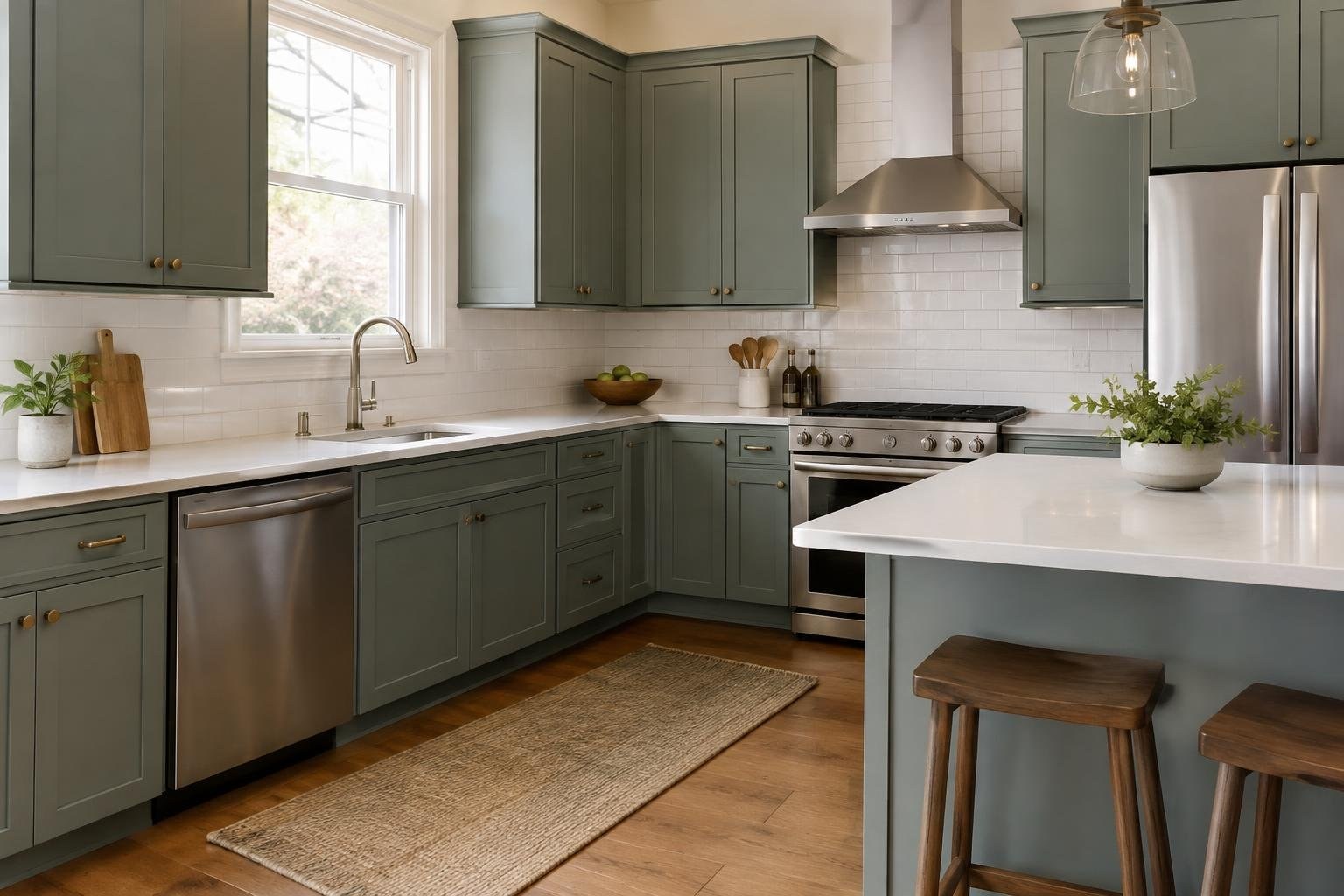
What does the cost to paint kitchen cabinets include?
Cabinet painting changes the visible finish of existing cabinetry rather than automatically replacing the cabinets. For a useful estimate, first decide what you want painted: doors, drawer fronts, exposed cabinet boxes, or interiors as well. Then ask each provider to quote that same list of surfaces and work.
Published pricing references use different measures. Some report a total kitchen range, while others use square footage or linear footage. A per-foot figure is not directly comparable with a total project quote unless you know what is counted and included. One pricing source says its figure includes exterior cabinet boxes but excludes cabinet interiors, illustrating why scope matters as much as the headline number.
Consider the goal, too. If the cabinets are acceptable to keep and you want a different appearance, painting may be one option to price. If you are also considering repairs or a broader kitchen update, ask for a comparison with those alternatives before treating painting as the only route.
When should you consider painting the cabinets?
Painting may be worth investigating when the cabinets are in a condition you are willing to keep and the main change you want is the finish. It may be less suitable as a stand-alone answer if the project also involves damaged components, unwanted cabinet layouts, or other work you already plan to do. Have a provider inspect the actual cabinets and explain what can reasonably be included in a paint quote.
Before requesting prices, make a short list of concerns: peeling or worn finish, visible damage, doors or drawers that do not work as expected, and surfaces you want to change. These are not automatic reasons to paint or replace. They help the contractor identify what needs assessment and help you compare the proposed scope with your priorities.
If the estimate includes repair work, ask for each repair to be described and priced separately where practical. That way, you can understand whether the quote is mainly for coating the cabinets or also addresses conditions that could affect the result.
What does it cost to paint kitchen cabinets?
Published estimates vary, so use them as orientation rather than a promise. One source reports professional projects at about $2,000 to $6,500, and another reports a similar total range with a per-linear-foot measure. A separate guide gives a per-square-foot range. The figures are not interchangeable: the sources do not describe one common scope, market, or measuring method.
| Published pricing measure | Reference range | How to use it |
|---|---|---|
| Total project | $2,000 to $6,500 | Use as a broad starting point, not a local quote. |
| Linear footage | $30 to $70 per linear foot in one guide | Confirm what is measured and what work is included. |
| Square footage | $3 to $10 per square foot in one guide | Ask how the area is calculated before comparing it. |
Another cost guide gives a $900 example for a small-to-medium kitchen, while other published estimates are higher. A single reported example cannot establish what a project near you should cost. Treat unusually low or high quotes as a prompt to clarify scope, not as proof that a provider is overcharging or offering a bargain.
Ask whether the quote includes doors, drawer fronts, exterior boxes, interiors, preparation, repairs, hardware handling, and cleanup. Confirm whether tax, travel, or other charges apply. Get the exclusions in writing.
Which factors can change the estimate?
Cost depends on the amount and type of work in the estimate. The cited pricing sources identify kitchen size, cabinet material, number of doors and drawers, existing condition, preparation, finish, and local labor rates as relevant considerations. Ask the provider to explain which of those factors shaped the bid rather than accepting an unexplained lump sum.
- Size and quantity: Clarify how the provider counts cabinets or measures the work. More doors, drawers, and exposed surfaces can change the scope.
- Material and condition: Ask whether the existing surfaces are suitable for the proposed work and whether repairs or additional preparation are included.
- Preparation and finish: Ask what preparation is included and what finish or application approach the quote covers.
- Included surfaces: Confirm whether interiors, exposed sides, trim, or other areas are included or excluded.
- Location and logistics: Request a location-specific written estimate. Published figures can differ by source and local labor assumptions.
Do not assume two prices are comparable because both are labeled “cabinet painting.” Compare the work description line by line and ask for clarification where the scopes differ.
Painting, DIY, or another cabinet option?
There is no single approach that suits every project. Compare the outcome you want and the work each option requires, then ask providers to explain how their proposed method fits your cabinets. The available pricing sources identify preparation and finish as cost considerations, but they do not establish a universally best product or application method.
| Option to compare | Potential reason to consider it | Questions to resolve |
|---|---|---|
| Professional painting | You want a contractor to price the work and its preparation. | What surfaces, prep, finish, and follow-up are included? |
| DIY painting | You are considering handling the labor yourself. | Have you counted materials, tools, protection supplies, time, and the work needed to achieve your target finish? |
| Cabinet replacement or another update | The project goals extend beyond changing the visible finish. | Would a paint quote address the condition and changes you actually need? |
The cited DIY cost discussion mentions supplies and equipment such as paint, a sprayer, drop cloths, and masking tape. It does not provide a complete, universal DIY budget. Price the materials and tools needed for your specific plan before comparing DIY with professional labor.
What to expect from the project and its timing
Before accepting a quote, ask the provider to walk you through the proposed sequence and identify what you should expect at each handoff. For example, ask who handles preparation, which surfaces are removed or worked on in place, how the work area is protected, and who is responsible for reinstalling hardware and doors. The estimate should make the scope clear even if the contractor uses a process different from another provider.
- Agree on the surfaces and any repair work to be included.
- Confirm the preparation and finish described in the proposal.
- Discuss where work will take place and how the kitchen will be affected.
- Ask when doors, drawers, and hardware will be unavailable and when they are expected back.
- Confirm how changes or newly discovered conditions will be discussed and priced.
Ask for a schedule that includes preparation, coating, any drying or curing allowance specified by the provider, reinstallation, and final review. Timing depends on the scope and provider's plan, so avoid relying on a generic number of days. Ask when you can use the kitchen and whether any restrictions apply.
How to compare cabinet-painting estimates
A useful estimate describes the work, not just the price. Ask for a written scope that identifies the cabinets and surfaces included, preparation, repairs, finish, hardware handling, cleanup, exclusions, schedule assumptions, and how changes will be approved. If interiors are important to you, make sure they are explicitly listed rather than assuming they are part of the job.
Compare at least the following:
- Are the same doors, drawer fronts, cabinet boxes, and other surfaces included?
- Does each provider describe preparation and repairs?
- Are materials and finish specified clearly enough to compare?
- Are removal, labeling, storage, reinstallation, and cleanup addressed?
- Are payment milestones, change orders, and responsibility for corrections stated?
The lowest bid is not automatically the best match. A cheaper estimate may describe less work, while a higher one may include additional surfaces or preparation. Ask each provider to revise or clarify the scope before making a direct comparison.
How to choose a qualified cabinet-painting provider
Choose a provider whose proposal answers your questions clearly and matches the work you want. Review relevant project photos or references if available, and ask who will perform the work and who will be your contact if a concern comes up. Verify any licensing or insurance that applies to the contractor or work in your location rather than assuming the same requirements apply everywhere.
Ask about the provider's written warranty or workmanship terms, what they cover, how long the terms apply, and what steps you should take if an issue arises. Do not rely on a verbal assurance in place of written terms. Request references for comparable cabinet work if you want to assess a provider's past projects.
Before signing, make sure the agreement identifies the scope, finish, schedule, payment arrangements, cleanup, exclusions, and process for handling changes. If an answer is unclear, ask for it in writing. A careful discussion before work begins can help expose mismatched expectations early.
Permits, credentials, warranties, and safety
Requirements for permits, contractor credentials, and insurance can depend on your location and on the full scope of work. Do not assume that a cosmetic painting quote settles requirements for any additional work you may add. Confirm local rules with the relevant local authority, and verify any required credentials directly before hiring.
Ask the provider what safety and protection arrangements apply to the work they are proposing, including how they will handle the work area and products. Follow product directions and the contractor's written instructions about access and use. If the project expands beyond painting into other regulated work, discuss who is qualified and responsible for that work before authorizing it.
Request written warranty terms and keep the signed scope, product or finish descriptions, change approvals, and payment records together. Ask what the provider expects you to do if a concern appears after completion. These questions help you understand the agreement; they are not a substitute for checking local requirements.
How to reduce cost without cutting corners
To control cost safely, simplify the scope rather than asking a provider to skip work without understanding the consequences. Start by deciding which surfaces matter most, whether interiors need to be painted, and which repairs are essential. Since one source excludes cabinet interiors from its exterior pricing, asking for an inside-versus-outside price comparison can help you decide whether that added scope fits your priorities.
- Get multiple written estimates using the same list of surfaces.
- Ask for optional items to be priced separately so you can compare the core job.
- Ask whether you can handle a clearly defined non-specialist task, such as clearing cabinet contents, and confirm the provider's requirements first.
- Before considering DIY, price supplies and equipment as well as your time; paint and tools are only part of the decision.
- Keep the agreed scope stable and ask for written prices before approving added work.
Do not choose a lower price by silently removing preparation or repairs you have not evaluated. Ask the provider to explain the effect of any proposed reduction so you can make an informed tradeoff.
Mistakes, red flags, and a pre-hire checklist
Common comparison problems begin when the scope is vague. A total without a cabinet count or surface list leaves room for different assumptions about interiors, exposed boxes, doors, drawers, preparation, and repairs. Another warning sign is an estimate that does not explain what happens if the provider finds a condition that changes the work.
Use this checklist before approving a proposal:
- Have I listed every surface I want painted?
- Do I know whether cabinet interiors and exposed sides are included?
- Does the estimate identify preparation, repairs, finish, and hardware handling?
- Are exclusions and additional charges explained?
- Is there a written schedule and a process for approving changes?
- Have I checked the provider's relevant credentials, insurance, references, and written terms as applicable locally?
- Have I compared the same scope across bids rather than choosing by total alone?
Pause if a provider will not clarify the work in writing, pressures you to approve unpriced changes, or cannot explain a major difference from competing proposals. Ask questions and compare a revised scope before making a commitment.
Choosing a finish and setting expectations
Painting is a finish decision, so ask to review the proposed color and sheen in the context of your kitchen before approving the work. Request a sample or other way to evaluate the proposed finish, and confirm what the provider's estimate means by its finish description. Ask whether visible cabinet interiors, end panels, trim, or other surfaces will look different because they are excluded.
Think through how the selected finish relates to the other elements you plan to keep or change, including counters, backsplash, flooring, hardware, and appliances. If those choices are undecided, avoid approving a cabinet color solely from a small screen image. Ask how any color selection will be documented in the agreement.
These are decision checks, not guarantees about how a particular product will look or perform in your kitchen. A provider should explain the proposed product and the surfaces it is intended for, and the homeowner should confirm that the written scope matches the intended appearance.
A practical way to make the decision
Use the estimate process to decide whether painting is the right-sized project. If a finish change addresses your priority and the proposed scope is clear, compare providers on preparation, finish, included surfaces, and written terms as well as cost. If the project includes needs that a paint quote does not address, ask for a separate comparison with the other work you are considering.
For additional planning, explore cabinet options through Cabinet Supply. Use the site to consider what you may want in a future cabinet project, then return to providers with a clear list of goals and questions.
Frequently asked questions
How much does it cost to paint kitchen cabinets?
A published estimate cited in this guide puts professional cabinet painting at roughly $2,000 to $6,500 for a kitchen, but actual bids depend on the project scope, cabinet condition, preparation, finish, and local labor. Get written, itemized estimates for your own kitchen before budgeting.
Is painting kitchen cabinets cheaper than replacing them?
Sometimes. Painting can be worth comparing when the cabinets are in a condition you are comfortable keeping and the main goal is a color or appearance change. If the cabinet boxes, doors, or drawers need repair or replacement, ask for alternatives as well as a paint quote.
Does the price include painting inside the cabinets?
It depends on the estimate. Ask whether the price includes cabinet interiors, doors, drawer fronts, cabinet boxes, hardware removal and reinstallation, and any repairs. One source specifically notes that its exterior-cabinet pricing does not include painting interiors.
How long does painted kitchen cabinetry last?
It can vary. Ask the contractor to describe the preparation, products, application method, and finish included in the bid, and to explain what maintenance or touch-up expectations apply. The sources reviewed identify preparation and finish as factors that can affect price.
Can any kitchen cabinets be painted?
It depends on the cabinet surface and the preparation and products used. Ask the painter to assess the existing cabinet material and finish, explain how the proposed coating is suited to them, and identify any surfaces they will not paint.
What should a cabinet-painting estimate include?
Compare estimates that describe the same work. Request a written scope covering which surfaces are included, preparation, repairs, finish, hardware handling, cleanup, exclusions, and the payment and change-order terms.
People Also Ask
What is the average cost to paint kitchen cabinets?
A published estimate gives a broad professional price range, but the amount for a particular kitchen depends on its scope and conditions. Compare itemized local estimates rather than relying on a single national figure.
What factors affect the price of cabinet painting?
Cabinet count and size, existing material and condition, preparation, finish expectations, and local labor can affect what a contractor quotes. Ask providers to explain their pricing assumptions.
Why are cabinet-painting quotes so different?
Quotes can differ because they may cover different surfaces, preparation, repairs, and finishes, and may use different measuring methods. Compare written scopes and exclusions before deciding which quote best matches your project.
Do painters paint the inside of kitchen cabinets?
Ask the provider to confirm in writing whether the cabinet interiors are included. Some estimates cover exterior boxes and fronts but not the inside surfaces.
How long does it take to paint kitchen cabinets?
There is no single timeline that applies to every project. Ask for a schedule that identifies preparation, painting, drying or curing allowances, reinstallation, and when the kitchen can be used normally.
Is it cheaper to paint kitchen cabinets yourself?
DIY may reduce labor charges, but account for materials, tools, time, and the work needed to prepare and protect the kitchen. Compare those costs and your confidence in the finish with a written professional quote.
What questions should I ask a cabinet painter?
Request a written description of surfaces, preparation, repairs, finish, hardware handling, cleanup, exclusions, and any additional charges. Ask how changes to the scope will be approved and priced.
Painting can be a useful way to change the look of cabinets that are otherwise suitable to keep, but the quoted price is only one part of the decision. Compare the same scope of work, ask how preparation and finish are handled, and make sure the estimate clearly states what is included and excluded. If the cabinets need more than a cosmetic update, compare painting with other cabinet options before committing.
Your next step
Explore cabinet options at CabinetSupply.com for your next project.
Last reviewed and updated October 25, 2026 by the CabinetSupple Editorial Team.
Sources
- 2026 Cost to Paint Kitchen Cabinets | Get Estimates
- How Much Does It Cost to Repaint Kitchen Cabinets in 2026 – Kitchen Search
- How Much Does It Cost to Paint Kitchen Cabinets?
- How Much Does Kitchen Cabinets Painting Cost? | CertaPro
- How much did it cost to professionally paint your kitchen cabinets? : r/homeowners
- How Much Does It Cost to Paint Kitchen Cabinets? (2026)
- Cost to Paint Kitchen Cabinets – 2026 Cost Calculator (Customizable)