
Cabinet doors cover a large part of a kitchen’s visible cabinetry, so their shape and details can influence the room’s overall look. The choice is not only between traditional and modern: door shape, panel profile, and the way a door sits on the cabinet all matter. This guide explains common kitchen cabinet door styles, what to compare, how to think about costs, and what to confirm before buying or replacing doors.
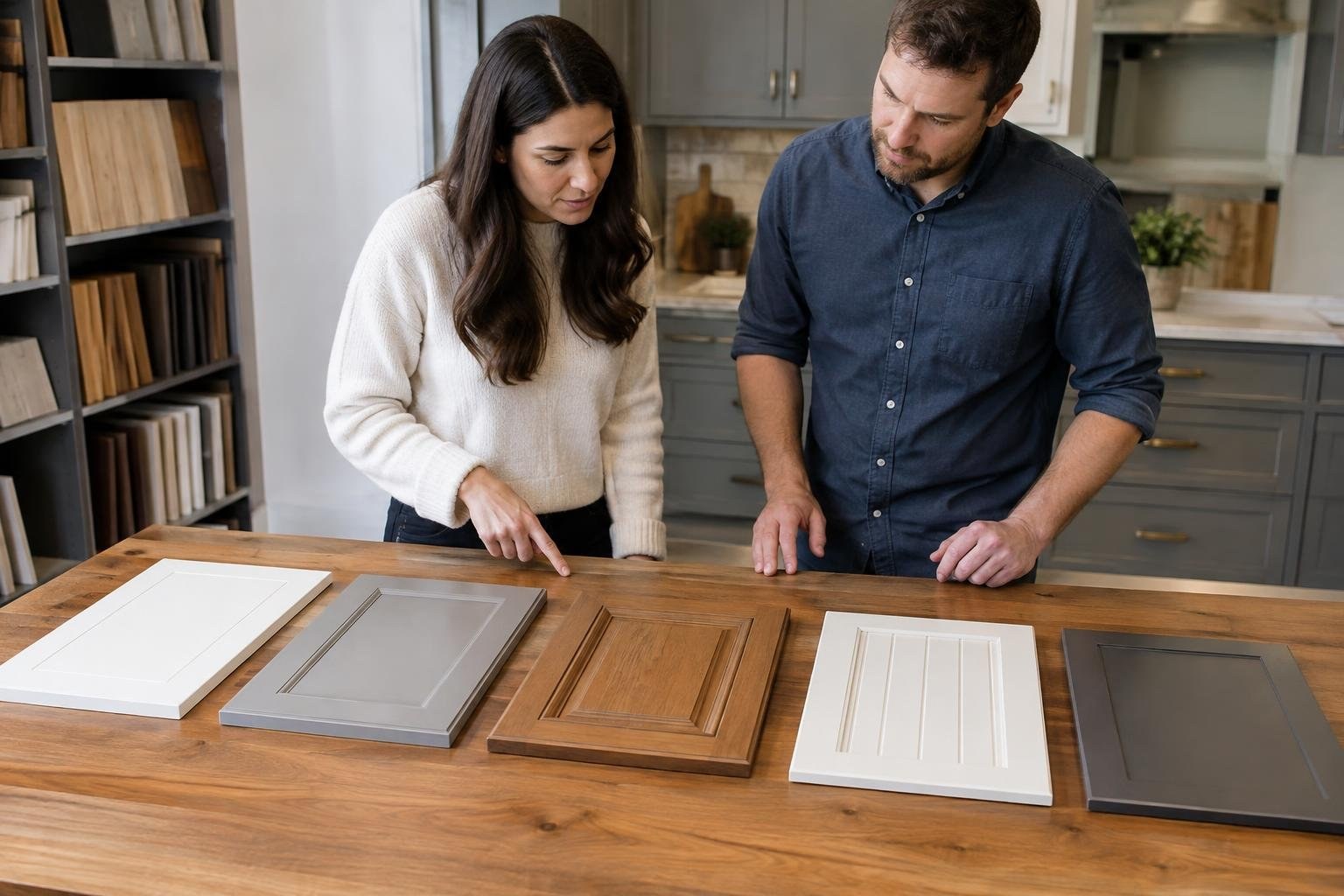
What do kitchen cabinet door styles include?
A cabinet door style describes the visible design of a cabinet front. It may refer to a door’s outline, the shape and profile of its center panel, or the way it is positioned against the cabinet. These details can be combined: a square or arched door, for example, may have a raised or inset center panel. That means a label alone may not fully describe what you will receive.
Shaker is a five-piece door with a flat center panel and a square frame. Its clean lines create a simple, balanced look. Slab or flat-panel doors offer a more uninterrupted face, while arched and raised-panel designs add more visible shaping. Inset describes how a door sits in relation to the cabinet frame, not a panel shape.
When browsing, ask for the exact door name, a drawing or sample, and a description of the panel and placement. This keeps the discussion specific and helps you compare like with like.
Which kitchen cabinet door styles should you compare?
Common options range from simple, flat faces to doors with shaped panels and decorative edges. The best fit depends on how much detail you want and the overall effect you are trying to create.
| Style or feature | What it looks like | Consider it when |
|---|---|---|
| Shaker | Flat center panel within a square frame, typically a five-piece construction | You want clean lines and a balanced, adaptable look |
| Slab or flat-panel | A largely flat, simple door face | You prefer an uncluttered appearance |
| Arched | A curved or arched detail in the door or panel design | You want a softer or more traditional detail |
| Raised panel | A center panel that projects or is shaped rather than flat | You want more visible depth and ornament |
| Inset | The door sits within the cabinet frame | You prefer that specific framed appearance and have confirmed the cabinet can be built for it |
These categories are not always alternatives to one another. A door can have an arched outline and a particular panel treatment, for example. Double arches create a symmetrical, detailed effect associated with more formal, traditional rooms. Ask the supplier to identify every relevant feature rather than relying on a broad style label.
How should the door style work with the rest of the kitchen?
Door style matters because it is a prominent design choice, but it is only one part of a kitchen. The same style can read differently with another color, finish, countertop, backsplash, floor, or hardware. A detailed door may become a focal point; a plain door may let other surfaces stand out.
Start by identifying the room’s existing or planned features. Collect samples of the cabinet finish and nearby materials, then look at them together in the kitchen. Consider whether the design should blend with the room or provide contrast. If you are changing only the doors, compare them with the cabinet boxes and any doors that will remain.
Current design discussions include flat-panel, inset, and fluted details, as well as mixing door styles or colors. Trends can provide inspiration, but a trend is not a reason to select a door that you do not like or that does not suit the rest of the room. A sample and a simple visual plan are more useful than a style name alone.
When might you need a cabinet door style update?
Consider a door-style update if your kitchen’s appearance no longer suits you, if you are planning a broader remodel, or if you are comparing new doors with replacing cabinetry. A style change can affect the whole visual direction of the room, so first decide whether the existing cabinet boxes and layout are staying.
Before assuming that new doors are the answer, check what you want to change. If the main concern is color, ask whether a different finish is available. If the issue is an outdated profile, compare replacement doors with a broader cabinet update. If you want a different door placement, such as inset instead of an outside overlay, have a qualified cabinet provider confirm whether that option works with the existing construction.
A door-style choice will not by itself resolve problems with cabinet storage, layout, or damaged cabinet boxes. Write down the concerns you want the project to address, then ask providers to explain which items their proposed scope actually covers.
What affects kitchen cabinet door style costs?
Door-style pricing depends on the product and project, so compare written quotes rather than relying on a style name or an unsupported per-door figure. One source describes inset doors as tending to be among the more expensive styles, but that is not a universal price and does not establish what a particular kitchen will cost.
Ask each provider to quote the same scope. Confirm whether the price covers just doors, doors and drawer fronts, or a wider cabinetry project. Have the estimate identify the selected style, panel details, finish, quantity, sizing, hardware, delivery, removal, and installation where applicable. Ask which items are allowances or exclusions, and how a change in dimensions or finish would affect the total.
For a useful comparison, request an itemized estimate and ask what could cause the final amount to change. Compare the same door construction and finish across bids. The lowest total is not meaningful if it leaves out work or specifies a different product.
What factors affect your choice of cabinet doors?
Several decisions can change which styles are available and what a provider needs to include in a quote. The design may be a standard offering or a custom choice; manufacturers list styles across contemporary, transitional, traditional, farmhouse, and custom designs. The specific product, dimensions, finish, and number of doors should all be confirmed.
- Door geometry: Square, arched, or double-arched details create different visual effects.
- Panel treatment: A flat, raised, or inset panel changes the door’s visible depth and profile.
- Door placement: Inset placement differs from a door that rests over the outside of a cabinet frame.
- Finish and color: These selections influence the overall appearance and should be reviewed with nearby materials.
- Project scope: Replacing doors alone is different from ordering complete cabinets or changing the layout.
Make sure the quote describes the actual combination of these features. Two samples with similar names may not represent the same construction or finished appearance.
How do you choose the right kitchen cabinet door style?
Choose a style by moving from broad preference to exact specification. This makes it easier to compare options and reduces the risk of ordering a door that looks different from what you expected.
- Set the design direction. Decide whether you prefer a simple face, a square framed detail, or a more decorative shape.
- Separate style terms. Identify the outline, panel profile, and door placement independently. Do not assume that one describes the others.
- Review samples. Look at a physical door or finish sample alongside the kitchen’s other materials.
- Check compatibility. If keeping existing cabinets, ask the provider to verify dimensions and construction before quoting replacement doors.
- Compare the full proposal. Confirm the named style, finish, quantities, and included work in writing.
For a transitional or mixed look, ask to see how the chosen designs work together. Mixing styles or colors can be intentional, but it should be planned so that the result feels coordinated rather than accidental.
What should you expect from ordering through installation?
The process usually begins with deciding whether the project involves new cabinets, replacement doors, or a broader kitchen change. Then the door design, finish, dimensions, and quantity must be specified, followed by a review of the estimate and order details. Ask the provider to explain each stage for the product and scope they are quoting.
Do not assume a particular delivery or installation timeline based on the style name. Ask for the current expected order, delivery, and installation dates in writing. Also ask how the provider handles a delayed shipment, a wrong size, or a finish that does not match the approved selection.
Before approving an order, check the door schedule or product documentation against your selections. Confirm the style, panel treatment, finish, quantity, and dimensions. If the work affects existing cabinets, ensure the measurements and compatibility have been reviewed by the responsible provider.
How do you choose a qualified cabinet door provider?
Choose a provider who can explain the door specification, verify how it fits your cabinets, and provide a clear written scope. Look for relevant project examples and ask who is responsible for measuring, ordering, delivery, installation, and resolving problems. If the provider recommends a style or product, ask what alternatives were considered and why they fit your project.
Compare estimates using the same design and work scope. Ask whether each quote includes doors and drawer fronts, hardware, delivery, installation, removal, and any work needed to prepare existing cabinets. Request a written schedule, payment terms, change-order process, and explanation of product and workmanship coverage.
Use references or reviews as one part of your decision, not as a substitute for a precise proposal. A low price may reflect a different product or fewer included services. Choose the provider whose proposal you understand and whose responsibilities are clearly stated.
What should you check about permits, credentials, warranties, and safety?
Requirements for permits, licenses, and regulated work depend on the location and the actual project. A door-only change may have a different scope from a remodel that moves utilities or alters other parts of the home. Confirm applicable requirements with local authorities and ask the contractor which permits, if any, are included in the proposal. Do not rely on a general style guide for local rules.
Ask the provider about insurance where applicable, written warranties, who performs the work, and who is responsible if a door arrives damaged or does not fit. Get the answers in the contract or estimate rather than relying on an informal conversation.
Do not undertake electrical, plumbing, structural, or other regulated work unless qualified and permitted to do so. If the project goes beyond doors, consult an appropriately qualified professional and confirm local requirements before work begins.
How can you save on cabinet doors without cutting corners?
You can control cost safely by narrowing the design before requesting final quotes and comparing the same scope with more than one provider. Ask whether a simpler door design or a different finish is available at a lower project cost, but compare actual written proposals rather than assuming one style always costs less.
- Keep the cabinet layout unchanged if your goal is only a visual refresh, and ask the provider to confirm whether the existing boxes can accept new doors.
- Use a defined set of style and finish choices when requesting bids so estimates are comparable.
- Ask which parts of the work are optional and which are needed for the selected product.
- Check for exclusions, delivery charges, hardware, installation, and removal before accepting a lower quote.
- Make decisions before ordering and document any approved change.
Do not save money by skipping verification of fit or by doing work that requires a qualified trade. A mismatch between the selected door and the cabinet can undermine the intended result.
What mistakes should you avoid?
Common problems begin when a style label is treated as a complete product description. A name such as “arched” does not tell you the panel treatment or how the door sits on the cabinet. Similarly, choosing from a small online image without checking a sample can leave you uncertain about the finished appearance.
- Do not compare bids that specify different door designs or different amounts of work.
- Do not assume replacement doors will fit existing cabinets without a measurement and compatibility check.
- Do not select a color or finish without reviewing it with nearby kitchen materials.
- Do not overlook whether the quote includes installation, hardware, delivery, and removal.
- Do not approve an order until the style, panel, finish, quantity, and dimensions are documented.
- Do not treat a trend as a substitute for choosing a look you want to live with.
Before you commit: collect a sample, confirm the full door specification, ask the provider to verify fit, compare itemized estimates, and get schedule and warranty details in writing.
A practical checklist before placing an order
Use this short checklist when narrowing your choices:
- Have you chosen the door shape, panel treatment, and placement separately?
- Have you reviewed a real sample or clear product drawing?
- Have you confirmed whether the project is doors only, new cabinets, or a larger remodel?
- Has a provider checked compatibility and measurements if you are keeping existing cabinets?
- Do all estimates name the same style, finish, quantity, and included work?
- Are schedule, payment terms, change orders, installation responsibility, and warranty documented?
If you are still comparing styles and cabinet options, explore cabinet options at CabinetSupply.com as you build your project shortlist.
Frequently asked questions
What is the difference between Shaker and flat-panel cabinet doors?
Shaker doors have a flat center panel surrounded by a square frame. Their simple lines suit a range of kitchen looks, while slab doors have a plain, flat face for a more minimal appearance. The right choice depends on the design you want and the options available for your cabinets.
Are inset cabinet doors more expensive?
Not necessarily. Inset describes a door set inside the cabinet frame, rather than resting over the outside of it. One source notes that inset can be among the more expensive styles, but actual pricing depends on the specific product and project. Compare written quotes for the same door, finish, and cabinet scope.
Which cabinet door style is easiest to keep looking current?
Shaker doors are one option to consider because their flat center panel and square frame create a clean, balanced appearance. A simple design may also be easier to coordinate with different finishes and hardware. Ask to see a sample in your chosen finish before deciding.
Can I mix cabinet door styles in one kitchen?
Yes, but plan the combination rather than mixing styles at random. Flat-panel, inset, and fluted details are among the styles discussed as current design directions, and mixing door details or colors can create a more individual look. Use samples or a visual plan to check that the combination feels consistent.
How do I choose a kitchen cabinet door style?
The right style is the one that suits your preferred appearance, cabinet construction, and budget. Compare the door shape and panel, how the door sits on the cabinet, the finish, and the full project quote. View samples in the kitchen's lighting before ordering.
Can I replace cabinet doors without replacing the cabinets?
The door style by itself does not determine whether an existing cabinet can accept a replacement door. Have a cabinet professional confirm the door dimensions, hinge arrangement, cabinet frame, and finish options before ordering. This is especially important when matching existing doors or changing from overlay to inset.
People Also Ask
What are the most popular kitchen cabinet door styles?
Common choices include Shaker, flat-panel or slab, raised-panel, and arched designs. These names describe visible door details, and some doors combine a particular shape with a specific panel treatment.
What does a Shaker cabinet door look like?
Shaker doors have a flat center panel and a square frame. The clean, balanced lines work across many room styles, according to a cabinet door guide.
What is the difference between raised-panel and inset-panel cabinet doors?
A square or arched door shape can be combined with a raised or inset panel, depending on the design. These terms describe different parts of the door, so check a sample or product drawing to understand the complete configuration.
What does inset mean for cabinet doors?
An inset door is positioned inside the cabinet frame; typical cabinet doors rest over the outside of the frame. Compare how each looks on the actual cabinet style you are considering.
Do inset cabinet doors cost more than overlay doors?
Inset doors can be among the more expensive styles, according to one source.
Are flat-panel cabinet doors different from slab doors?
Yes. A flat-panel door has a simple face, while other options can have a framed center panel, raised details, arches, or fluting. Review samples to make sure the detail suits your kitchen and the rest of the cabinetry.
How do I select doors for existing kitchen cabinets?
Consider the look you want, whether the doors are for new or existing cabinets, available finishes, and the complete quote. Confirm that the chosen design can be made for your cabinet dimensions before placing an order.
Choosing kitchen cabinet door styles is about more than picking a look. Compare the door shape, panel, frame, and placement, then check how each option fits your kitchen, budget, and tolerance for upkeep. Samples, clear measurements, and a detailed written estimate help turn a style preference into a practical decision.
Your next step
Explore cabinet options at CabinetSupply.com for your next project.
Last reviewed and updated October 15, 2026 by the CabinetSupple Editorial Team.
Sources
- Types of Cabinet Door Styles – Cabinetdoors.com
- Cabinet Door Styles – Shaker, Slab and More – Omega Cabinetry
- Cabinet Door Styles: 11 Popular Types To Choose From
- Cabinet Door Styles: Types, Examples & How to Choose
- Kitchen Cabinet Doors | Styles, Designs & Custom Options
- Popular Cabinet Door Styles for Kitchens of All Kinds
- Popular Cabinet Door Styles & Trends in 2025 – Model Remodel
- Cabinet Door Styles | Kitchen Craft