
Kitchen cabinet prices can look surprisingly different from one estimate to another. One quote may describe a cabinet-only price per linear foot; another may bundle installation or present a broader project total. The cabinet label alone does not tell you what is included. To make a fair comparison, match the layout, cabinet quantities, product selections, labor, delivery, and exclusions. This guide explains the main price ranges reported in available estimates, why they differ, what to ask before signing, and how to plan a kitchen cabinet project without treating an online average as a guaranteed quote.
What Does a Kitchen Cabinet Project Include?
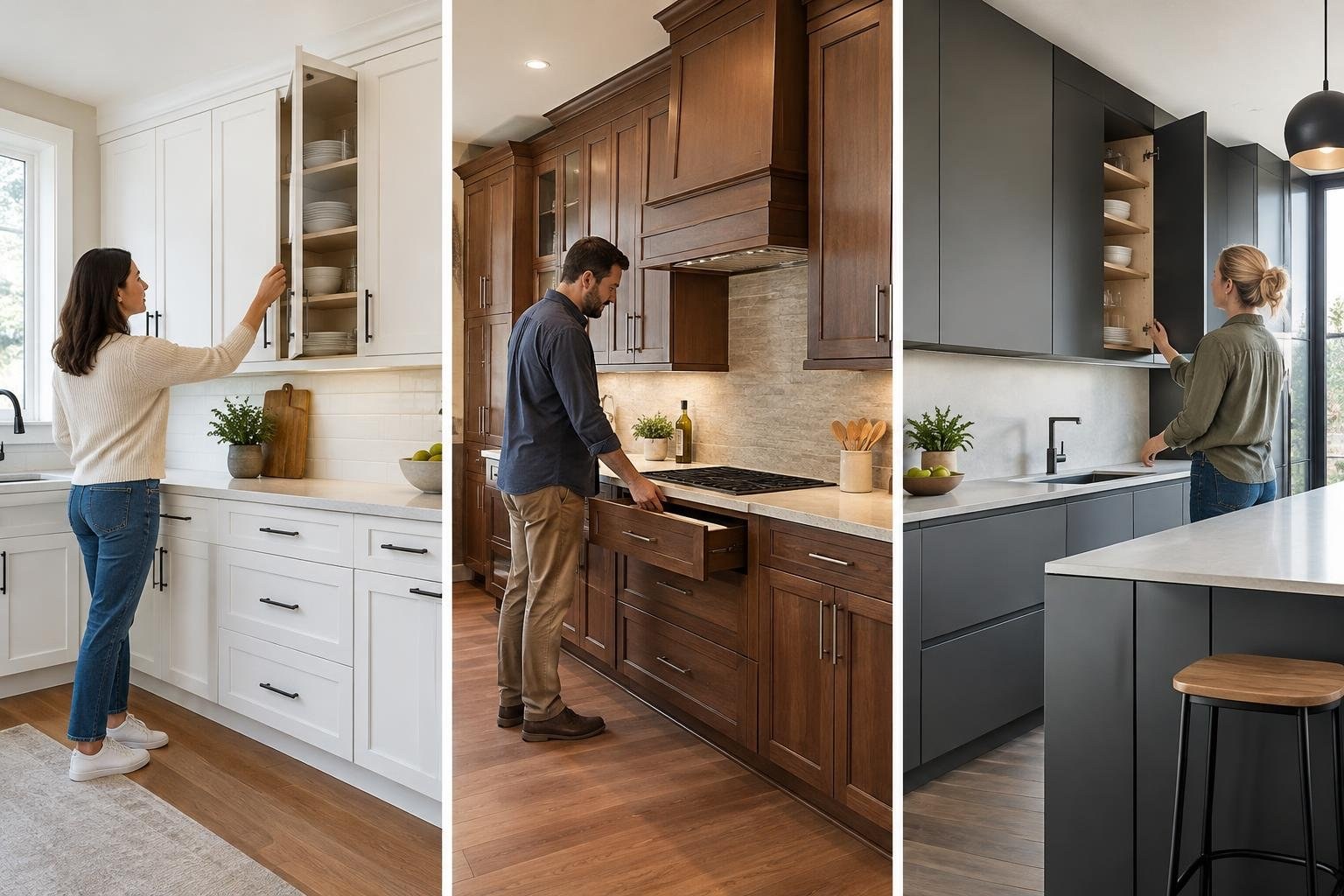
Start by defining what you mean by a cabinet project. A cabinet-only order is different from a broader job that includes installation or other work. A useful planning process is to identify what should stay, what needs to change, and which features matter most, then ask providers to price the same proposed scope.
- Describe the goal. Note whether you want more storage, a new layout, a different appearance, or replacement cabinetry.
- Record the room constraints. Gather available measurements and note openings, appliances, and existing services that may affect the layout. Have a qualified professional verify measurements before ordering.
- Choose a comparison level. Decide which cabinet type, finish, and features you want priced, or ask for clearly described alternatives.
- Request a written scope. Ask what products, quantities, labor, delivery, and other work are included or excluded.
This process turns a vague budget question into a comparable set of decisions. It also helps prevent a cabinet price from being mistaken for the cost of every task involved in the kitchen project.
Signs It May Be Time to Price New Cabinets
Consider getting cabinet estimates when the current arrangement no longer supports the way you use the kitchen, when you are planning a broader remodel, or when damaged or unwanted cabinetry is part of a renovation decision. These are reasons to investigate options, not proof that every cabinet needs replacement.
Before seeking bids, write down the problems you want to solve. Is storage hard to reach? Is the layout the concern, or mainly the appearance? Are you trying to coordinate cabinets with other planned work? Clear priorities make it easier to compare a modest update with a larger replacement proposal.
Ask providers to distinguish the cost of the cabinets from installation and any additional work. Published estimates use different scopes, so a low-looking cabinet price may not answer whether the full proposal solves your problem or fits your budget.
Kitchen Cabinet Prices: What the Published Ranges Show
Available estimates do not give one directly comparable price for every kitchen. One source lists stock cabinets at about $60 to $200 per linear foot, semi-custom at about $100 to $650 per linear foot, and custom at about $500 to $1,200 per linear foot. Another reports an average of $150 to $500 per linear foot installed, or $4,500 to $15,000 total including labor and materials.
These figures should not be read as a single universal price list. Their scopes and categories differ, and a per-foot figure may not match an installed total. Other supplied estimates also give broad ranges, including $2,000 to $24,000 for a 10-by-10-foot kitchen and $3,000 to $12,000 for mid-range cabinets. Those figures reinforce how much scope and assumptions can change a headline number.
For your budget, use published ranges only to frame questions. Ask for a written estimate based on your room, selected cabinets, and defined work. Confirm whether taxes, delivery, installation, removal, and any non-cabinet work are included rather than assuming they are.
What Factors Affect Kitchen Cabinet Prices?
Cabinet type, material, and customization level are identified in the supplied estimates as price considerations. The amount of cabinetry and whether an estimate includes installation also affect how the quoted number should be interpreted. Treat any price driver as a prompt to compare specifications, not as a reason to assume one bid is automatically better.
- Cabinet category: Stock, semi-custom, and custom labels describe different degrees of selection or customization in the cited pricing comparisons. Ask what that label means for the specific product being offered.
- Materials and visible details: Request the product specifications and finish selections in writing. The research gives examples of materials affecting price, but does not establish a universal quality ranking for every material.
- Quantity and layout: Ask providers to show the cabinet count or measured basis behind a linear-foot quote. A price based on a different layout is not an apples-to-apples comparison.
- Labor and project scope: Separate cabinet costs from installation and other proposed tasks so you can see what is driving the total.
When a proposal changes, request an updated written price and scope before approving the change.
Stock vs. Semi-Custom vs. Custom Cabinets
| Option | What to compare | Questions to ask |
|---|---|---|
| Stock | Available product sizes, finishes, and quoted quantities | Which items are included, and how will the proposed layout handle the room? |
| Semi-custom | Available selections or modifications and their effect on price | Which changes are available for this specific product? |
| Custom | Specified design, construction, measurements, and scope | What design details and services are covered by the estimate? |
In the supplied comparison, stock is shown at a lower per-linear-foot range than custom, with semi-custom between them, although the published ranges overlap. Another source gives a wide range for stock or semi-custom and a higher possible figure for custom. The categories are useful for organizing comparisons, but they do not establish that every stock product is lower quality or every custom proposal is the best fit.
Compare actual specifications rather than labels alone. Ask for product details, layout drawings, finish descriptions, included labor, and exclusions. For some projects, a standard selection may suit the room; for others, a more tailored proposal may better address the desired layout. The right decision depends on what the estimate delivers for the cost.
Materials and Construction: What to Verify
There is no single material choice or specification that can be called best for every kitchen based on the supplied price information. The research shows that material selection can affect price, and one estimate discusses MDF as an affordable option. It does not support a universal ranking of durability, moisture performance, repairability, or lifespan across materials.
Instead, request the exact product construction and finish details for each proposal. Ask the provider to explain the cabinet box, doors, drawer components, exposed edges, hardware, and care guidance for the product being quoted. If two options have different specifications, ask what the difference means for your intended use and whether it changes maintenance or repair options.
Look for written product information rather than relying only on broad words such as “premium” or “custom.” Compare finish samples and specifications where available, and make sure the estimate identifies the selected product rather than a general category.
Plan the Layout Before You Compare Finishes
Cabinet prices are only one part of a kitchen decision. Before comparing proposals, consider how you use the room and what the new cabinets are expected to do. List the storage or layout problems you want addressed and identify any appliances, openings, or existing services that the proposed design must work around.
Ask for the selected cabinet arrangement to be shown clearly, with quantities and product details. Review door and drawer locations against your intended use, and bring questions about appliance fit or utility conflicts to the professional preparing the plan. Do not assume that a cabinet count or a general sketch confirms every room condition.
Keep appearance selections and practical requirements in the same conversation. If you are considering different finishes or features, have each option documented so you can see how it changes the cabinet scope and estimate. This makes it easier to protect the priorities that matter most if you need to adjust the budget.
Measurements and Site Conditions to Confirm
Use measurements as planning information, not as a substitute for a verified installation plan. Record the room dimensions you can safely access, plus the locations of doors, windows, appliances, and visible services. Tell each provider what has and has not been measured professionally.
Have the person responsible for the cabinet order confirm the final measurements and proposed layout before products are ordered. Ask how the plan accounts for irregular room conditions and how changes discovered during the project will be documented and priced. Do not move or alter electrical, plumbing, gas, or structural components yourself unless you are qualified and permitted to do so.
A measurement or layout change can affect the order and the estimate. This is another reason to compare bids only when they use the same confirmed plan and to clarify who is responsible for verification.
What to Expect: Project Steps and Timing
Expect the project sequence and duration to depend on the work included. Ask each provider for a project-specific schedule and the events it assumes.
- Confirm the cabinet selections, layout, measurements, written scope, and payment terms.
- Ask what must be ready before delivery and who coordinates any related work.
- Confirm whether removal, disposal, installation, and adjustments are included or handled separately.
- Ask how delivery or site conditions that affect the schedule will be communicated.
- Before final sign-off, review the installed work against the written selections and record any items that need resolution.
Make sure the schedule identifies responsibilities, not just dates. If multiple trades or other kitchen work are involved, clarify who coordinates them and how delays or scope changes are handled.
How to Choose a Qualified Cabinet Provider
Choose a provider by evaluating the proposal, relevant project work, communication, and responsibility for the scope, not just the bottom-line number. Ask for references or examples relevant to your project, and verify licensing or insurance when applicable in your location. Do not rely on a general claim if you can confirm the details directly.
- Who measures and confirms the final cabinet plan?
- Who orders, receives, and checks the cabinetry?
- Who performs installation, and what work is subcontracted?
- What products, quantities, labor, delivery, and related tasks are included?
- What is excluded, and how are changes priced and approved?
- What schedule, payment milestones, cleanup, and problem-resolution steps are documented?
Compare answers in writing. A lower total may reflect a narrower scope, different product selections, or work left for you to arrange. Ask the provider to explain differences before you decide.
Permits, Credentials, Warranties, and Safety
Permit and licensing requirements depend on the work and the local jurisdiction. Confirm local requirements with the relevant building department or a qualified local professional, especially if the proposed project also changes utilities or other parts of the home. Do not assume that a cabinet-only estimate answers what approvals might be needed for related work.
Ask who is responsible for identifying permit needs, arranging inspections if required, and coordinating regulated work. Verify relevant credentials and insurance directly, and get the answers in writing. Review the product warranty and the provider's written workmanship or service terms separately; ask what is covered, what is excluded, and how to request help.
Keep the signed proposal, selections, change approvals, payment records, and completion notes together. Clear documentation helps both sides understand what was purchased and what was agreed.
Ways to Save Without Creating Avoidable Risk
To reduce cost safely, prioritize scope before cutting specifications blindly. Decide which features are essential, which are optional, and where a simpler selection could still meet your needs. Ask providers to price clearly defined alternatives so you can compare what changes and what remains the same.
- Request comparable quotes using one layout and one list of products or equivalent selections.
- Ask whether a standard cabinet option can meet the project requirements before paying for custom details.
- Separate essential work from optional accessories and request itemized pricing.
- Clarify what you may prepare yourself, if anything, without affecting the provider's responsibilities or the product terms.
- Do not reduce cost by skipping needed measurements, unclear scope, qualified utility work, or written approvals.
Some supplied estimates report substantial price differences by cabinet category and material, but they are not a guarantee that a particular product or seller will save a particular amount. Compare complete proposals and product specifications before treating a price difference as a saving.
Common Estimate Mistakes and a Before-You-Sign Checklist
Before choosing a bid, use this short review to uncover gaps that can make prices misleading:
- Same plan: Do the estimates use the same layout, measurements, and cabinet quantities?
- Same products: Are the type, material, finish, and features identified clearly enough to compare?
- Full scope: Does each bid state whether installation, delivery, removal, disposal, and related work are included?
- Written changes: Is there a clear process for approving price or schedule changes?
- Responsibilities: Is it clear who verifies measurements, coordinates other work, and resolves issues?
- Terms: Are payment terms, schedule assumptions, warranty information, and exclusions documented?
Red flags include pressure to approve before the scope is clear, vague product descriptions, unexplained price differences, and verbal promises that do not appear in the agreement. Pause and request clarification before signing.
Find Cabinet Options for Your Project
Once you have a defined layout and know what you want priced, browse the curated cabinet provider directory to identify professionals serving your area. Use the estimates and questions in this guide to compare scope, product details, and responsibilities, not simply the lowest total.
Explore cabinet options at CabinetSupply.com for your next project.
Frequently asked questions
How much do kitchen cabinets cost?
Published estimates use different units and may include different work. Some quote cabinets per linear foot, while others include installation or give a project total. Compare written estimates with the same scope before deciding.
Are stock kitchen cabinets cheaper than custom cabinets?
Stock cabinets are generally presented as the lower-cost option in the supplied price comparisons, while custom cabinetry can cost more. The best fit depends on available sizes, desired features, layout, and the total estimate, not price category alone.
Do kitchen cabinet prices include installation?
Not always. A per-linear-foot cabinet price may not include installation, delivery, demolition, disposal, or other kitchen work. Ask the provider to list inclusions and exclusions so you can compare the full project cost.
What affects the price of kitchen cabinets the most?
The supplied estimates identify cabinet type, materials, and customization as price considerations. For a project-specific quote, also ask providers to itemize the quantities, selected features, delivery, labor, and any work outside the cabinet order.
How do I compare kitchen cabinet estimates?
Use the same room measurements, cabinet layout, product selections, and work scope when requesting estimates. Compare the written specifications and exclusions as well as the total, rather than choosing by headline price alone.
How long does it take to install kitchen cabinets?
Ask the provider for a schedule covering ordering, delivery, removal if included, installation, adjustments, and any work that must happen before or after the cabinets.
Should I replace my cabinets or keep the ones I have?
There is no single answer in the supplied price information. Compare the cost and scope of keeping, updating, or replacing cabinets with providers who can assess the actual condition and project requirements.
What should a kitchen cabinet estimate include?
Request a written estimate that identifies the cabinet products and quantities, labor, delivery, other included work, exclusions, schedule assumptions, payment terms, and how changes will be handled. Confirm any credentials or insurance relevant to the work in your area.
People Also Ask
What is a realistic budget for new kitchen cabinets?
Published sources provide differing ranges, partly because some describe a per-linear-foot cabinet price and others include installation or use a total project figure. Treat them as planning references and request a written quote for your layout.
Which kitchen cabinets are the least expensive?
The supplied estimates place stock cabinetry toward the lower end of their cabinet-type comparisons and custom cabinetry toward the higher end. The exact difference depends on the selected products, quantities, and what the estimate includes.
How are kitchen cabinets priced per linear foot?
A linear-foot figure is not enough by itself. Confirm how the provider measured the footage and whether the quoted amount includes installation, delivery, accessories, and other work.
What should I ask before accepting a cabinet quote?
Ask for a written, itemized scope and compare equivalent product selections and quantities. Clarify the work that is excluded before comparing totals.
How long should I plan for a cabinet project?
The supplied pricing information does not give a dependable installation schedule. Request a project-specific timeline that identifies ordering, delivery, installation, and other work included in the contract.
Are wholesale cabinets always cheaper than cabinets from a store?
Compare the same cabinet construction, finish, quantities, delivery, installation, and warranty terms in each quote.
Kitchen cabinet prices are best understood as a project estimate, not a single standard rate. Compare the cabinet type, materials, included labor, delivery, accessories, and any work excluded from each bid. Start with your layout and priorities, then choose an option that fits both your budget and how you use the kitchen.
Your next step
Explore cabinet options at CabinetSupply.com for your next project.
Last reviewed and updated October 15, 2026 by the CabinetSupple Editorial Team.
Sources
- Kitchen Cabinet Prices: Pictures, Options, Tips & Ideas | HGTV
- How Much Do Kitchen Cabinets Cost? (2026 Prices) – HomeGuide
- How Much Do Kitchen Cabinets Cost? A Complete Pricing Guide
- Kitchen Cabinet Cost in 2026 – Average Price, Stock vs Custom, and Hidden Fees
- What Do Kitchen Cabinets Cost? + Budget Tips
- Kitchen Cabinet Cost: 2026 Price Guide | Cuisine Idéale
- How Much Do New Kitchen Cabinets Cost in 2026 | HCI
- 2026 Average Cost of Kitchen Cabinets | New Kitchen Cabinet Prices – HomeAdvisor