
New kitchen cabinets can change how your kitchen looks, stores everyday items, and supports daily routines. The best choice is not simply the most attractive door or the lowest advertised price. Start by deciding whether the existing cabinets need replacement, define the storage and layout you want, and compare cabinet construction and project scope in writing. Cabinet sellers offer different styles, colors, construction choices, and custom options, so a clear list of needs makes comparisons more useful.
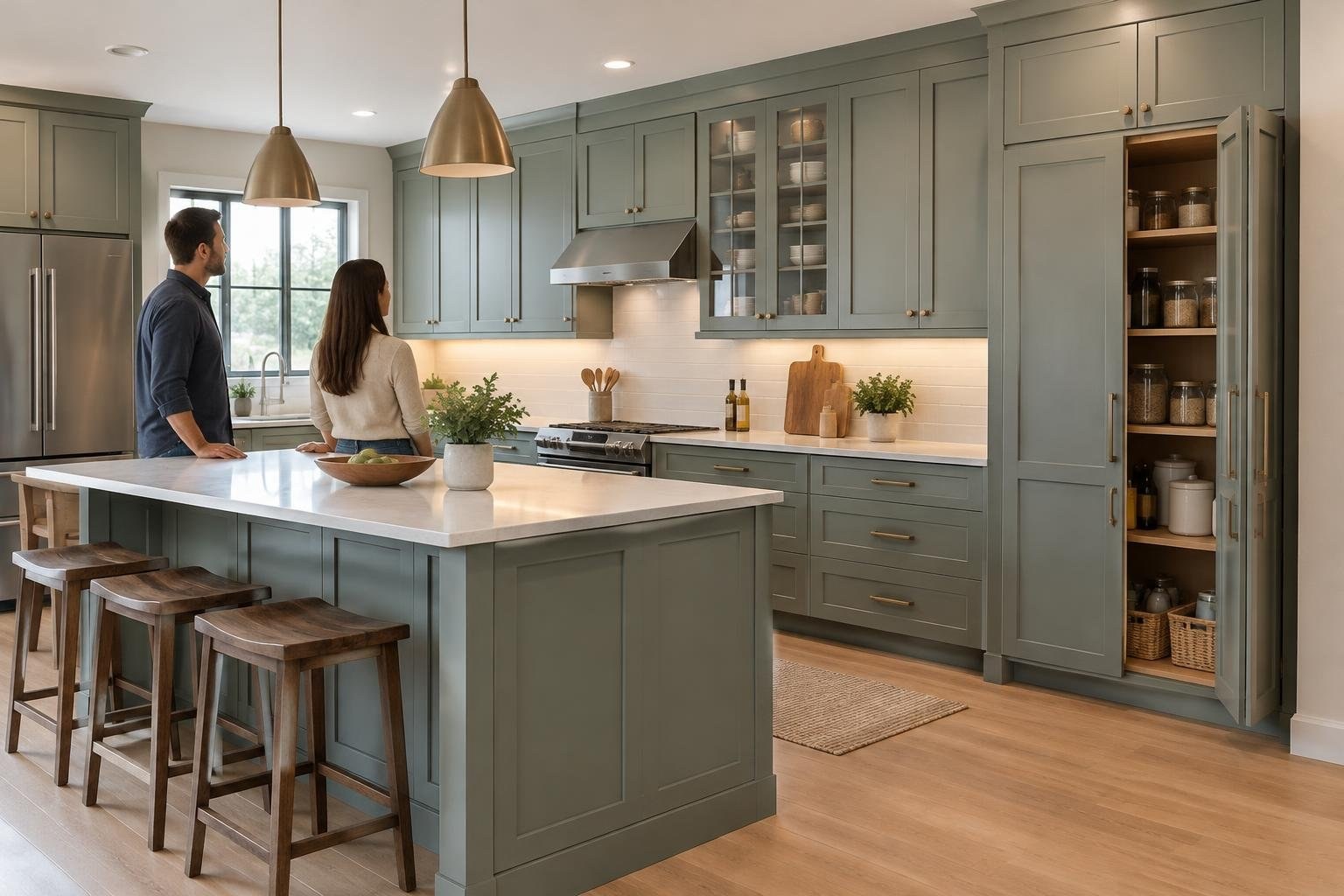
Signs you may need new kitchen cabinets
New cabinets may be worth considering when your kitchen’s storage, appearance, or arrangement no longer works for you. They are not automatically the right answer to every dated kitchen. If existing cabinets remain in decent condition and the layout suits your needs, painting or another refresh may be an alternative to replacement. The Spruce describes refreshing sound cabinets with paint as one option.
Before shopping, write down the problems you want to solve. Examples include hard-to-reach storage, not enough space for the items you use, or a cabinet appearance you want to change. Separate essential improvements from preferences. This keeps the discussion focused on how you use the kitchen rather than on choosing a finish before you have established what the cabinets need to do.
Replacement is a larger decision than changing a color or handle. It can involve selecting cabinets, planning storage, confirming dimensions, and coordinating installation. Decide what success would look like before comparing products or providers.
What a new kitchen cabinet project includes
A new-cabinet project usually includes selecting cabinet pieces and options, planning their arrangement, confirming measurements, ordering, and either assembling and installing the cabinets yourself or arranging installation. The exact scope varies, so ask the seller or installer to list what they are responsible for.
Clarify whether the proposal covers delivery, assembly, installation, removal of old cabinets, cleanup, and coordination with other work. Do not assume that a product purchase includes labor or that an installer’s proposal includes new cabinets. A retailer or cabinet provider may offer design help, but confirm what that service covers and whether it is included in the price. Some retailers promote design estimates, while cabinet retailers also describe choices in style, box construction, and custom options.
Draw a simple inventory of what needs to fit: cookware, dishes, food, cleaning supplies, and small appliances. Note which items should be close to the range, sink, or refrigerator. Bring this list to a design conversation so the plan addresses daily use, not only the cabinet fronts.
Compare cabinet options and tradeoffs
There is no single cabinet option that suits every budget, kitchen, and installation plan. Compare what is actually offered: style, size, cabinet-box construction, customization, and whether assembly or installation is included. Retail product listings show that buyers may be able to select cabinet styles, colors, box construction, and custom options.
| Approach | Potential advantage | Questions to ask |
|---|---|---|
| Ready-to-assemble | Can be a lower-cost route when you have the time and skill to assemble and install the cabinets. | What assembly is required? Who handles installation and adjustments? |
| Stock or standard selection | Provides a defined range of products and styles to compare. | Will the available sizes and options fit the planned layout? |
| More customized selection | May allow choices in dimensions, construction, or design options. | Which custom choices are included, and how do they affect the estimate and schedule? |
These are comparison categories, not a guarantee of a particular price, quality, or delivery time. Review the product specification and installation responsibility for the exact cabinets you are considering. The Spruce notes self-assembly and installation of store-bought cabinets as a possible cost-saving approach, while cautioning implicitly that it is a hands-on alternative.
Plan cabinet style, color, and finish
Choose a cabinet look as part of the kitchen, not in isolation. Cabinet color, material, and size affect the overall impression of the room. Collect examples you like, then compare them with your counters, flooring, backsplash, lighting, and appliances.
When comparing products, look beyond a photograph. Ask for the exact door style, finish, color, dimensions, and cabinet-box construction in the quote. If possible, review a sample or display under lighting similar to your kitchen’s. Confirm how exposed sides, fillers, and trim will be finished so the completed run looks intentional.
A highly distinctive color or door style may be appealing, while a simpler selection may work better if you want other elements to be the visual focus. There is no universal right answer. Consider how long you expect to keep the cabinets and whether you prefer a look that can adapt to future changes in paint, hardware, or decor. Avoid choosing a style before confirming that the available cabinet sizes work for the layout.
Plan storage for the way you use the kitchen
Plan storage around what you own and how you use it. List everyday dishes, cookware, pantry goods, utensils, recycling, and small appliances. Decide which items need easy access and which can be stored less prominently. Then ask the designer or provider to show where those categories will go.
Cabinet accessories such as shelf inserts and wire baskets can help arrange storage, and separate sorting bins can support household recycling. Treat each accessory as a choice to evaluate, not an automatic upgrade: ask what it costs, what cabinet space it uses, and whether it solves a problem you actually have.
Before approving a plan, check that doors and drawers can open without conflicting with nearby cabinets or appliances. Review the proposed cabinet locations against the refrigerator, range, sink, and any frequently used countertop equipment. Ask the provider to flag any fit or access concerns before the order is finalized. A clear storage plan helps avoid paying for features that look useful in a display but do not suit your household.
New kitchen cabinet costs and estimates
Cabinet prices and full project estimates vary with the selected products and the work included. The available research supports comparing cabinet styles, box construction, and custom options, but does not establish a dependable price range for every location and project. Request current written estimates for your own kitchen rather than relying on a generic figure.
Ask providers to separate the cabinet order from labor and other project charges. Confirm whether the estimate includes assembly, installation, delivery, removal of existing cabinets, cleanup, and any design service. Ask the provider to identify items that are excluded or priced separately. If you receive multiple bids, make sure each one covers the same cabinet selection and responsibilities.
Compare the total and the details together. A lower cabinet price may not represent a lower project cost if important services are excluded. Likewise, a more expensive selection may include options you do not need. Ask for a revised estimate if the scope is unclear, and avoid approving work based on a verbal total alone.
Factors that affect the project and estimate
The main factors to clarify are cabinet selection, dimensions, layout, customization, storage options, assembly, and installation responsibilities. Product listings may distinguish styles, colors, box construction, and custom options, so check which choices your estimate includes.
- Cabinet selection: Confirm the named product, finish, door style, and construction.
- Fit: Verify the proposed sizes against the room and appliances.
- Storage features: Price inserts, baskets, and other accessories separately when possible.
- Labor: Identify who assembles and installs the cabinets.
- Project scope: Clarify delivery, removal, cleanup, and any other work being coordinated.
- Changes: Ask how substitutions or revisions affect the price and schedule.
These questions help you see why two estimates may differ without assuming that one provider is overcharging or that a low bid is automatically the best value. Request explanations in writing and compare products and responsibilities line by line.
What to expect, including timing
Expect planning, ordering, delivery, and installation to be separate parts of the project. The exact schedule depends on the provider, product selection, and work involved, so ask for dates and milestones rather than relying on a broad verbal estimate. The supplied cabinet listings do not establish a universal lead time.
- Prepare: Collect room information, appliance details, and a list of storage needs.
- Design: Review the layout, cabinet choices, finish, and accessories.
- Confirm: Check the written order and installation scope before approving it.
- Coordinate: Agree on delivery, site preparation, and the order of any related work.
- Review: At completion, compare the installed work with the agreed selections and note concerns promptly.
Ask what must be ready before delivery and whether someone needs to be present for inspection. If other remodeling work is planned, discuss sequence and responsibility with the people coordinating it. Do not schedule around an unconfirmed delivery date.
How to choose a qualified cabinet provider
Choose a provider based on a clear fit between your project and the provider’s documented products and responsibilities. Ask who will measure, prepare the design, supply the cabinets, assemble them, install them, and handle follow-up questions. Retailers may offer different product selections or design-estimate services, but confirm the terms for the specific location and project.
Before choosing, consider asking for:
- Examples of completed projects similar to yours.
- References or other ways to review the provider’s work.
- Written product specifications and a complete estimate.
- A clear installation plan, schedule, and process for handling changes.
- Warranty documents and instructions for raising a concern.
- Proof of required licensing and insurance, where applicable.
Compare the answers, not just the total. A proposal that clearly explains the product and scope is easier to evaluate than a short quote with unanswered questions. Do not treat a retailer’s design service or product listing as a substitute for confirming who is responsible for installation.
Permits, qualifications, warranties, and safety
Ask the provider whether local permits, licensing, or other requirements apply to the work you plan. Rules vary by location and by the scope of remodeling, so confirm requirements with the relevant local authority rather than relying on a general online answer. Cabinet replacement may be part of a wider renovation; do not assume every related task is covered by the cabinet seller or installer.
Request written warranty terms for the cabinets and any installation work. Read what is covered, the process for a claim, and any responsibilities placed on you. The available product listings do not establish uniform warranty terms, so evaluate the terms for the specific selection and provider.
For work involving electrical, plumbing, structural changes, or other regulated or hazardous tasks, use appropriately qualified help. Do not take on work beyond your training. Confirm who is responsible for coordinating those trades and make sure the cabinet plan accounts for the existing services before ordering.
Ways to reduce cost without cutting corners
You can reduce unnecessary spending by making decisions before ordering and asking what each option adds to the estimate. Compare cabinet styles and construction choices, but avoid paying for accessories that do not answer a real storage need. Storage inserts and wire baskets are available as organizational options; choose them based on how you expect to use the cabinet.
- Set a project priority list before shopping.
- Compare a refresh with replacement if existing cabinets are in decent condition.
- Ask for a price with and without optional accessories.
- Keep the layout and product selection stable once estimates are being compared.
- Consider self-assembly only if you have the necessary skills, time, and installation plan.
Self-installation can be a cost-saving approach, but the lowest purchase price does not represent the full value of a project if assembly, installation, or corrections are left to you. Make a realistic plan for the work before deciding to do it yourself, and hire qualified help for tasks that require skills or approvals you do not have.
Mistakes to avoid and a pre-order checklist
Use this checklist before approving a cabinet order:
- Have you identified what is not working in the current kitchen?
- Have you compared replacement with a refresh where appropriate?
- Do the proposed cabinet sizes and arrangement fit the room and appliances?
- Are style, finish, construction, and optional features specified?
- Does the written estimate explain delivery, assembly, installation, removal, and cleanup?
- Have you confirmed who is responsible for related work and local requirements?
- Do you understand the schedule, warranty terms, and change process?
- Have you compared bids using the same product and scope?
Common pitfalls include choosing solely by appearance, comparing totals that cover different work, forgetting to plan storage, and assuming installation is included in a cabinet purchase. Retail listings show that products can differ in construction and options, which makes checking the specification especially important.
Pause if the provider cannot explain what is included, resists putting key details in writing, or pressures you to approve before you understand the plan. Resolve open questions before paying or placing a final order.
Explore cabinet options for your project
When you are ready to compare cabinet selections, explore the available options at CabinetSupply.com. Use the planning points in this guide to identify the style, construction, storage, and project questions you want answered before deciding.
Explore cabinet options at CabinetSupply.com for your next project.
Frequently asked questions
When should I replace my kitchen cabinets?
New kitchen cabinets may make sense when the current cabinets no longer meet your storage or layout needs, or when damage and wear make a refresh unsuitable. If the boxes and layout still work, compare painting or other updates before replacing everything.
How much do new kitchen cabinets cost?
The total varies with the cabinet selection, kitchen layout, custom options, installation, and the work included in the project. Ask for a written estimate that separates cabinets from labor and other project costs so you can compare proposals on the same basis.
What should I look for when buying kitchen cabinets?
Cabinet construction, dimensions, finish, storage accessories, and the number of pieces are useful comparison points. Ask the seller or provider to identify the box construction and options included in the quote rather than comparing by appearance alone.
Are stock, semi-custom, or custom cabinets better?
There is no single best cabinet type for every kitchen. Compare the available styles, sizes, construction choices, customization, and installation responsibilities against your layout, budget, and preferred level of flexibility.
Can I install kitchen cabinets myself?
Some people choose ready-to-assemble cabinets and install them themselves to reduce project expense, but that approach requires time, careful assembly, and accurate installation. Compare the full scope and consider professional help if the layout or installation is beyond your experience.
How long does it take to install new kitchen cabinets?
The cabinet order and installation are only part of the schedule. Ask the provider for the expected order, delivery, installation, and follow-up timing, and clarify what could change the schedule before work begins.
Should I paint my cabinets or buy new ones?
A cabinet refresh may be suitable when the existing cabinets remain in decent condition and their layout still works. Replacing cabinets gives you the opportunity to reconsider the layout and storage, but involves a broader project. Compare both options before deciding.
What questions should I ask a kitchen cabinet provider?
Ask what cabinet construction, options, delivery, installation, removal, cleanup, schedule, and warranty terms are included. Request that exclusions and change-order procedures be stated in writing, and check references or project examples where available.
People Also Ask
How do I start planning for new kitchen cabinets?
Start with the layout, storage problems, cabinet dimensions, and project budget. Then compare cabinet construction and finishes, and get a written estimate describing exactly what is included.
How do I choose a cabinet color and style?
Cabinet appearance, color, material, and size all influence the look of a kitchen. Gather samples or examples and judge choices alongside the counters, floor, backsplash, and appliances before ordering.
What should a kitchen cabinet estimate include?
Compare the total quoted scope, not just the cabinet price. Ask whether the proposal includes assembly, installation, delivery, removal, and any related work you expect the provider to handle.
How can I save money on new kitchen cabinets?
Look for ways to simplify the cabinet selection and avoid adding options you will not use. Compare a cabinet refresh with replacement when the existing cabinets remain in decent condition.
What should I check before ordering kitchen cabinets?
The design should account for appliances, doors, drawers, storage, and the way people move through the kitchen. Review these relationships with the provider before finalizing cabinet dimensions or ordering.
Is it hard to assemble and install kitchen cabinets?
A DIY approach may work for a person with the needed skills and time, but assembly and installation require careful planning. Clarify the installation scope and bring in a qualified professional for work outside your abilities.
New kitchen cabinets can improve the way a kitchen looks and stores everyday items, but the right choice depends on the room, the work required, and the full project budget. Compare cabinet construction, available styles, storage features, installation responsibilities, and written estimates before committing. Explore cabinet options at CabinetSupply.com for your next project.
Your next step
Explore cabinet options at CabinetSupply.com for your next project.
Last reviewed and updated October 15, 2026 by the CabinetSupple Editorial Team.
Sources
- 62 Kitchen Cabinet Ideas That Instantly Elevate Your Space With Style, Storage, and a More Polished Look
- Cabinets To Go Your One Stop Dream Kitchen Shop
- 69 Stylish Kitchen Cabinet Ideas for 2026
- Browse Kitchen Cabinets by Cabinets.com
- Kitchen Cabinetry for Every Style & Layout
- Kitchen Cabinets at Menards®
- Kitchen Cabinets – The Home Depot
- Kitchen Cabinets – Affordable Kitchen Cabinetry – IKEA