
Kitchen cabinet organizers can make everyday items easier to find and reach, but the best choice depends on what you store, the cabinet's dimensions, and how you use the kitchen. Options include drawer inserts, roll-out trays, pullout shelves, and other cabinet accessories. Before buying, identify the storage problem, measure the available space, and check the organizer's fit and installation requirements. This guide explains how to compare options, plan costs without relying on a one-size-fits-all price, and decide when professional help may be useful.
What kitchen cabinet organizers do
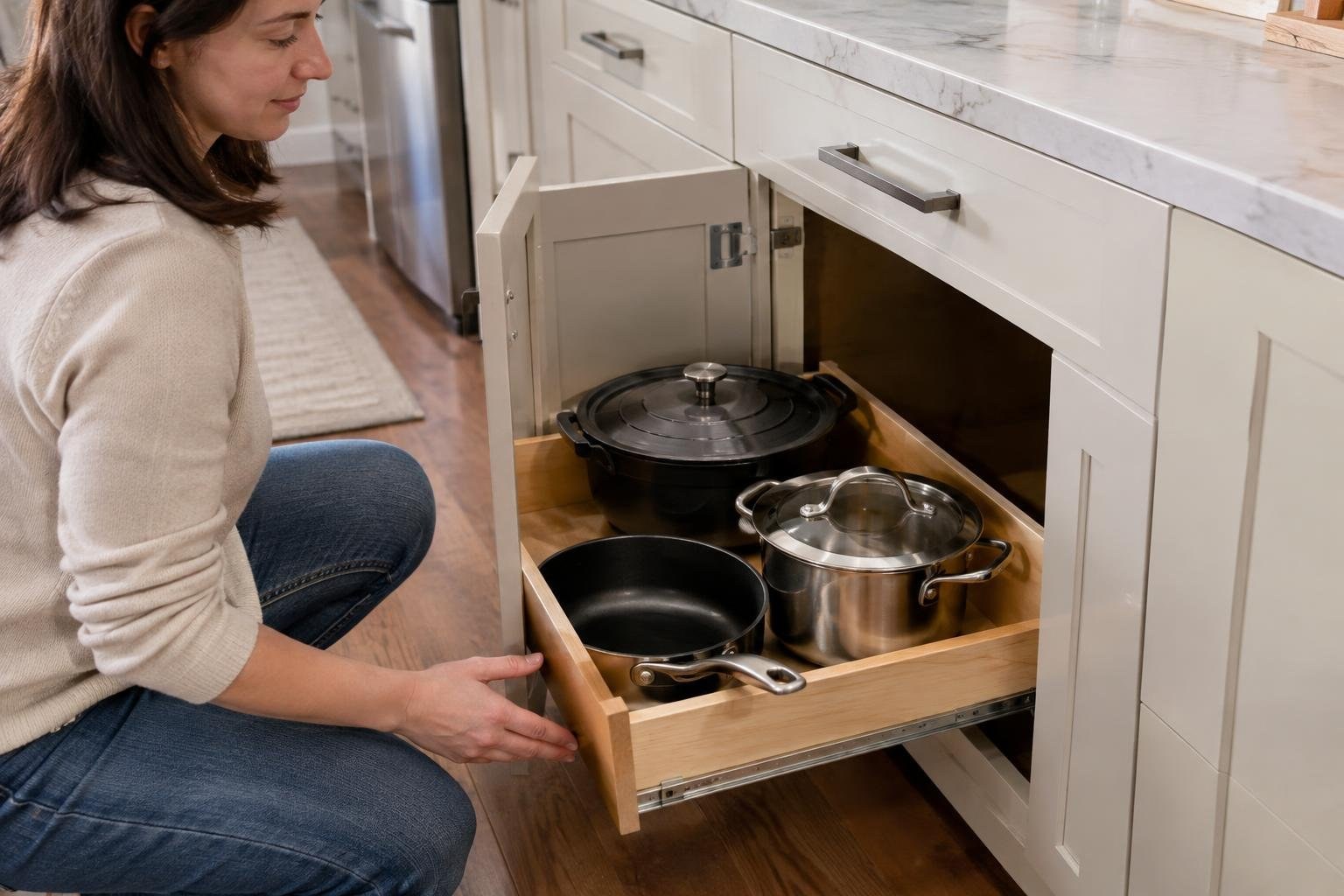
Kitchen cabinet organizers are accessories that help arrange or retrieve items inside cabinets and drawers. Drawer inserts create sections for smaller items, while roll-out trays and pullout shelves bring stored contents closer to the opening. Cabinet accessory collections include these types of storage solutions.
An organizer does not automatically create more cabinet capacity. Its value depends on whether it makes the space you already have easier to use. A drawer that keeps tools separated addresses a different problem from a deep cupboard where items are difficult to reach. Begin with the task, not the product category.
Signs you may need an organizer
Organizers may be worth considering when you repeatedly move items to reach what is behind them, cookware is awkward to separate, or a drawer does not keep flatware and tools in place. Drawer trays can keep flatware and kitchen tools sorted; pullout shelves are one option for making deep storage easier to access.
Look for a recurring friction point rather than trying to outfit every cabinet. Note which items are hard to find, inconvenient to lift or reach, and where contents tend to become mixed. If the cabinet itself is damaged, poorly located, or too small for your needs, an insert may not solve the problem. Consider whether the issue is organization, cabinet condition, or the kitchen's overall storage plan.
Options and tradeoffs: which organizer fits your needs?
Organizer choices are easier to compare when grouped by how they work. Cabinet accessory ranges include drawer inserts, roll-out trays, and pullout shelves. Some organizers use adjustable sections, while other designs serve narrower storage purposes.
| Option | Useful when you want to | Check before buying |
|---|---|---|
| Drawer insert | Separate flatware, utensils, or small tools | Drawer interior dimensions and compartment arrangement |
| Roll-out tray or pullout shelf | Bring cabinet contents forward for access | Cabinet opening, usable interior, mounting requirements, and obstructions |
| Adjustable divider organizer | Separate items of varying sizes, such as cookware | Whether divider positions suit the items and available width |
| Turntable | Keep selected items together and easier to reach | Surface size, cabinet height, and whether stored items suit the design |
Adjustability can be useful when contents vary, but it does not guarantee a fit in every cabinet. A product review describes an expandable pan organizer with adjustable dividers and notes that some organizer designs suit only selected items. Treat these as examples of design differences, not a universal ranking.
Compare fixed organizers with adjustable ones by considering what you store now and whether those items are likely to change. A simpler insert may suit a stable set of utensils; movable dividers may be more adaptable for cookware. In either case, dimensions and intended use matter more than a broad label such as “space saver.”
How to choose an organizer by cabinet and contents
A practical selection process has five steps:
- Choose the cabinet. Identify the exact drawer or cupboard where a storage problem occurs.
- List the contents. Note what you keep there, including larger pieces that may need more room than smaller items.
- Define the goal. Decide whether you need sorting, easier access, separation, or a combination.
- Compare suitable products. Review the organizer's intended use, dimensions, adjustability, and installation instructions.
- Check the whole fit. Confirm the organizer can be installed and used without the cabinet opening or interior interfering with it.
Product ranges include organizers designed for drawers, cupboards, and base cabinets, rather than one interchangeable solution. A pullout shelf can bring stored contents forward, while a drawer tray keeps small tools or flatware arranged in place.
Do not shop from a photo alone. A product may look suitable but still be too wide, too deep, or incompatible with an obstruction inside your cabinet. If product information does not make the fit clear, ask what measurements and mounting details should be confirmed before ordering.
How to measure and check fit before purchase
Measure the usable space where the organizer will go, not just the cabinet's outside dimensions. Record the opening and interior width, depth, and height, then compare them with the product's stated requirements. Check for hinges, framing, plumbing, or other features that could interfere with installation or movement. These checks are especially important for a pullout, which must fit and travel within the cabinet opening.
Before ordering, confirm:
- The organizer's full dimensions and any required clearance.
- Whether the product is intended for a drawer, cupboard, or base cabinet.
- How it attaches and whether the cabinet has a suitable mounting surface.
- Whether doors, hinges, or neighboring items could block operation.
- Whether the cabinet contents will fit on or within the organizer.
If measurements are uncertain, ask a product specialist or installer to review them. Avoid drilling or modifying a cabinet until you understand the mounting method and have checked for hidden obstructions. Product descriptions distinguish organizer uses, but the specific dimensions and instructions for the item you choose should guide the final fit check.
Kitchen cabinet organizer cost and pricing considerations
There is no single price that applies to all kitchen cabinet organizer projects. Cost comparisons should account for the type and number of products, whether an item is adjustable or specialized, whether it fits an existing cabinet, and whether professional installation or cabinet modification is needed. Product listings and accessory collections cover distinct organizer types, so compare like with like rather than treating every item as equivalent.
For a useful comparison, request or prepare an itemized scope showing:
- The organizer model or type and quantity.
- Any required mounting hardware or related components.
- Labor, if installation is included.
- Any cabinet adjustment, repair, or replacement work.
- Delivery, disposal, and other charges that apply to the specific job.
For a small project, compare the product's fit, function, and installation instructions alongside its purchase price. For several cabinets or an installation involving modifications, ask providers to separate product and labor costs. Do not assume a low product price represents the total cost of a completed installation.
To keep comparisons fair, give each provider the same cabinet measurements, organizer count, and requested work. If one estimate includes installation and another covers products only, they are not direct comparisons.
Factors that affect the project
Project scope, organizer type, cabinet fit, and installation approach are details to clarify before planning. A single drawer insert is a different task from fitting several pullout shelves, and a product designed for one cabinet arrangement may not work in another. Cabinet accessories include drawer inserts and roll-out trays, while pullout products are designed to improve access to cabinet storage.
When deciding how much to do, consider the number of cabinets, whether each has the same dimensions, whether any cabinet needs adjustment, and whether the product requires mounting. Also consider how many items you need to organize and whether one organizer can serve the intended purpose. Adjustable dividers offer a different kind of flexibility from fixed drawer sections, so the contents and planned arrangement affect which option may be useful.
Write down the scope before asking for an estimate. Specify which cabinets are included, the type and quantity of organizers, who will measure, who will install, and whether cabinet repair or cleanup is part of the work. Clear scope helps you identify gaps in bids and avoid assuming that an installer will perform work that was never included.
What to expect, including timing and installation
A straightforward organizer project involves selecting products, confirming dimensions, preparing the cabinet, installing the organizer according to its instructions, and checking that it operates as intended. The exact work depends on the product. A loose drawer insert may have different installation needs from a pullout shelf attached inside a cabinet. Product information distinguishes drawer organizers, roll-out trays, and pullout products, so do not assume their installation steps are the same.
Before work begins, agree on who is responsible for measuring, ordering, installation, and resolving a fit issue. During installation, keep the cabinet empty and accessible, protect nearby surfaces, and follow the product's mounting instructions. Afterward, test movement and access with the intended items in place, and make sure doors and drawers still operate as expected.
Timing depends on the number of organizers, their installation method, product availability, and whether cabinet adjustments are involved. Avoid treating an estimate for one simple insert as a promise for a multi-cabinet installation.
DIY or professional installation?
A DIY installation may be an option when the product fits clearly, its instructions are complete, and the mounting method is within your skill level. Consider professional help when measurements are uncertain, a cabinet needs alteration, or the organizer needs secure attachment that you are not comfortable completing. Product categories range from inserts to pullout shelves, so the work involved can differ.
| Approach | Potential advantage | Consider carefully |
|---|---|---|
| DIY | You control product selection and installation timing. | Fit, tools, instructions, mounting, and responsibility for correcting errors. |
| Professional help | You can agree on an installation scope and ask for fit assessment. | Verify what the quote includes, who supplies the product, and how issues are handled. |
Do not choose DIY simply to avoid labor cost if fit or mounting is unclear. Ask for qualified help before modifying cabinetry or drilling where hidden utilities or other obstructions may be present. Follow the product's supplied installation instructions.
How to choose a qualified provider
Choose a provider based on the work they will perform, not just the product they recommend. Look for relevant installation experience, a clear written scope, a process for confirming measurements, and a plan for handling a product that does not fit as expected. Ask whether the provider supplies the organizer, installs a product you purchased, or offers both options.
Useful questions include:
- Which measurements do you need, and who verifies them?
- Does your estimate include the organizer, hardware, labor, and any cabinet adjustments?
- How do you confirm the product suits the cabinet and its contents?
- Who is responsible if the selected product does not fit?
- What is the expected schedule, and how will changes be approved?
- What workmanship or product warranty applies, and who handles a claim?
- Can you provide references or examples of similar organizer installations?
Compare the scope, not just the total. A quote that excludes measuring or installation may leave important work for you to arrange. Confirm the specific services offered by any provider before relying on them.
Explore Cabinet Supply to browse cabinet options as you plan a kitchen storage project: CabinetSupply.com.
Ways to reduce cost without risking a poor fit
To reduce project cost safely, focus on cabinets with an identifiable problem instead of buying organizers for every cupboard. Take measurements before ordering, choose a product suited to the contents, and compare alternatives that serve the same purpose. A drawer insert, adjustable divider, and pullout shelf are not interchangeable; selecting the wrong type can waste product and installation costs.
- Start with one high-friction drawer or cabinet and reassess before expanding.
- Reuse existing cabinetry when it is suitable and the organizer fits.
- Compare total installed cost, not only product price.
- Ask whether a simpler organizer can solve the same problem.
- Confirm measurements and return terms before ordering.
Do not save money by skipping fit checks, ignoring installation instructions, or making cabinet modifications you are not qualified to perform. A product that cannot be installed correctly is not a bargain. If comparing multiple providers, request the same scope from each so savings are not caused by omitted work.
Mistakes, red flags, and a pre-purchase checklist
Common errors often begin before installation: choosing by appearance alone, measuring only the cabinet exterior, or buying without confirming the intended use. An organizer designed for a drawer is not a substitute for a pullout shelf, and an adjustable divider does not solve every storage problem. Product options serve different cabinet and storage needs.
Use this checklist before placing an order:
- Have I identified a specific storage or access problem?
- Does this organizer suit the items I plan to store?
- Have I measured the usable interior and checked the opening?
- Have I checked for hinges, framing, or other obstructions?
- Do I understand installation and mounting requirements?
- Does the estimate state product, labor, adjustments, and exclusions?
- Have I confirmed timing, warranty details, and who handles fit issues?
Red flags include pressure to order before dimensions are confirmed, vague estimates, unclear responsibility for installation, and promises that an organizer will work in any cabinet. Ask for product details and written scope before committing. If the provider cannot explain how the organizer fits the cabinet and serves the intended storage need, pause and compare another option.
A practical way to plan your organizer project
Start with a small storage audit. Open each cabinet you are considering, list its most-used contents, and identify what is difficult to reach or keep separated. Match each problem to a product type, then measure and compare the installation requirements. Product collections offer a range of cabinet accessories and storage solutions, so a specific plan helps narrow the choices.
Keep the project focused on everyday use. An organizer should make a repeated task easier, whether that means bringing contents forward or keeping small tools in place. Check the fit before buying, agree on the project scope if hiring help, and test the finished arrangement with the items you actually store.
Explore cabinet options at CabinetSupply.com for your next project.
Frequently asked questions
How do I choose the right kitchen cabinet organizer?
Start by listing what you store, measuring the cabinet opening and interior, and identifying the items that are hard to reach or keep organized. Choose an organizer designed for that task, then check its fit and installation requirements before buying.
Are pullout shelves better than drawer inserts?
Pullout shelves move stored items toward the cabinet opening, which can make deep cabinet contents easier to access. Drawer inserts divide a drawer into sections so tools or flatware have a place. The right choice depends on the cabinet and what you plan to store.
Can I add organizers to existing kitchen cabinets?
Some organizers are intended to fit inside existing cabinets, while others may require mounting or installation. Review the product's dimensions and instructions, and ask a qualified installer to assess the cabinet if you are unsure about fit or attachment.
How much do kitchen cabinet organizers cost?
There is no reliable universal price for every organizer project. The product type, number of cabinets, fit requirements, installation work, and any cabinet changes can affect the total. Compare itemized quotes rather than a single headline price.
How do I measure a cabinet for a pullout organizer?
Measure the usable opening and interior space, including width, depth, and height. Also note obstructions such as hinges, pipes, or cabinet framing. Compare those measurements with the organizer's required dimensions and installation clearances.
What is the best organizer for pots and pans?
A turntable may suit selected items that can be stored on its surface, while an adjustable pan organizer is designed to separate cookware. A pullout shelf can help bring items forward from a deeper cabinet. Match the design to the contents rather than buying by appearance alone.
Should I install kitchen cabinet organizers myself?
Many straightforward organizers may be suitable for a capable DIYer if the product instructions, fit, and mounting method are clear. Professional help is sensible when the cabinet needs modification, the installation is uncertain, or you want an installer to coordinate the work.
Do kitchen cabinet organizers increase storage space?
First check for a current, specific problem such as items being hard to reach, cookware stacking awkwardly, or drawers lacking useful divisions. Then consider whether a compatible organizer can address it without replacing cabinetry. If cabinets are damaged or the layout itself is the problem, get a broader assessment.
People Also Ask
What is a pullout shelf in a kitchen cabinet?
A pullout shelf can make items in a deeper cabinet easier to access by bringing them forward. Check that the shelf's dimensions and mounting needs match the cabinet before choosing one.
What can I use to organize a kitchen drawer?
Drawer inserts divide drawer space into sections for items such as flatware and kitchen tools. Select a layout that matches what you actually keep in the drawer and verify the insert fits.
Are cabinet turntables useful?
A turntable is intended for selected items that can sit securely on its surface. Check its dimensions and consider the size and shape of the items you plan to store before deciding whether it suits your cabinet.
What measurements do I need before buying a cabinet organizer?
Measure the cabinet opening and the usable interior, then compare those dimensions with the organizer's specified fit requirements. Account for obstructions and installation space rather than measuring only the outside of the cabinet.
Do organizers create more cabinet space?
Organizers can improve how existing cabinet space is arranged and accessed, but they do not necessarily increase the cabinet's physical capacity. Choose them to address a particular access or sorting problem.
What affects the cost of installing cabinet organizers?
The total depends on the organizer, how many cabinets are involved, fit, and installation or modification needs. Request an itemized estimate when installation is part of the project and compare the same scope across providers.
Kitchen cabinet organizers work best when they solve a specific access or storage problem and fit the cabinet where they will be used. Start with a short inventory, measure carefully, and compare organizers by function, fit, installation needs, and total quoted cost. Explore cabinet options at CabinetSupply.com for your next project.
Your next step
Explore cabinet options at CabinetSupply.com for your next project.
Last reviewed and updated October 15, 2026 by the CabinetSupple Editorial Team.
Sources
- Cabinet Storage Organizers |Cabinet Organizers | Pull Out Cabinet Organizer
- Kitchen Organizers | Cabinets To Go
- Kitchen Cabinet Accessories & Storage | KraftMaid
- We Tested the Best Kitchen Cabinet Organizers, Recommended by Design Experts
- Kitchen Cabinet Accessories, Drawer Organizers & Storage | Masterpiece
- Kitchen cabinet organizers
- Kitchen Cabinet & Drawer Organizers – IKEA
- Kitchen Cabinet Organization at The Container Store – The Container Store