
Kitchen cabinets on a budget do not have to mean buying the cheapest product available or accepting a kitchen that does not work for you. The better approach is to set priorities, compare cabinet options with the same project scope, and spend carefully on the parts that affect fit, storage, and everyday use. This guide explains how to think through cabinet choices, costs, installation, and provider estimates so you can make a more confident plan without relying on a headline price alone.
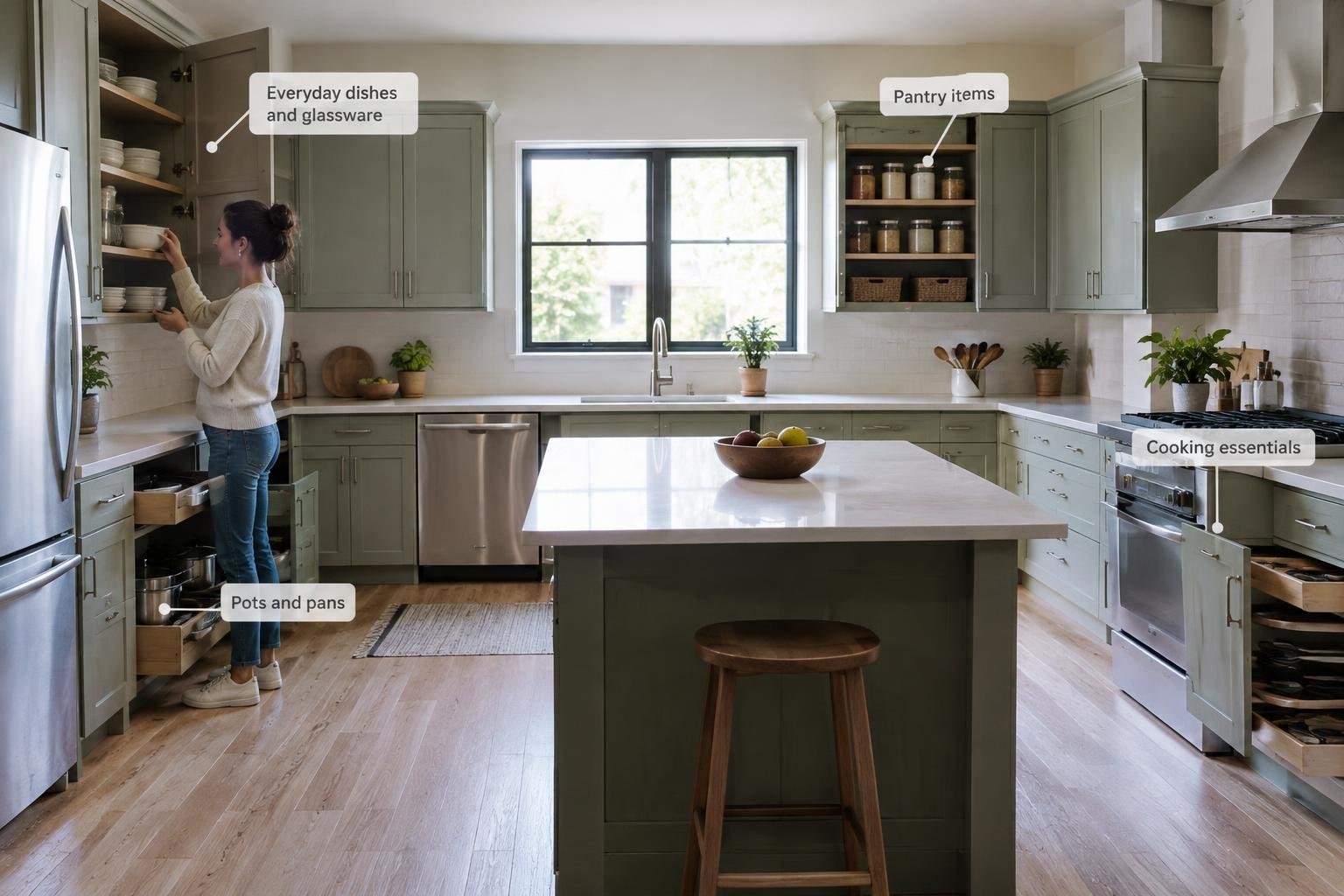
Kitchen cabinets on a budget: the basic approach
Budget cabinet planning is a process, not just a product search. First decide what the kitchen needs to do, then identify the cabinet areas that support those tasks. Next, compare available cabinet formats and request estimates based on a consistent plan. Finally, confirm measurements, delivery, assembly, installation responsibilities, and the treatment of any changes before placing an order.
A budget-conscious plan can start with essential areas and add selected features later as funds allow. That can make a project easier to manage while giving you time to consider the cabinets and finishes you prefer. The central tradeoff is between getting the important function now and deferring additions that are not necessary to use the kitchen. Make sure a phased plan still produces a coherent layout rather than leaving gaps that complicate later work.
When you compare products, look beyond a label such as “budget” or “affordable.” Confirm what is included in the cabinet package and whether you are comparing the same number and types of cabinets. A product price and a completed installation are different scopes.
Signs your kitchen may need a cabinet update
Cabinets deserve attention when they no longer support how you use the kitchen, when storage is difficult to organize, or when the room needs a new arrangement. Visible wear alone does not automatically mean every cabinet must be replaced. First separate cosmetic concerns from problems with fit, function, or the cabinet components themselves.
Walk through the kitchen and note what is difficult: reaching everyday items, storing cookware, opening drawers, or using the available counter area. Also inspect doors, drawer operation, and cabinet interiors. If the current layout works and the cabinet boxes are suitable, a smaller update or reuse may be worth comparing with replacement. If the layout does not meet your needs, focus the project on solving that problem instead of spending the budget only on a new surface or color.
Use a written list to distinguish must-haves from preferences. “Enough accessible storage for everyday dishes” is a functional goal; a particular door style is a design preference. Both matter, but the list helps you decide where limited funds should go first.
Kitchen cabinet budget and pricing considerations
There is no dependable one-size-fits-all budget for kitchen cabinets in the supplied research. A price only becomes useful when you know what it covers, the cabinet quantity and configuration, and whether delivery, assembly, installation, and related work are included. Treat a headline figure as a starting point for questions, not as a complete project estimate.
Ask for an itemized proposal that identifies the cabinet products and quantities, finish and configuration, hardware or accessories, delivery, assembly, installation, removal of old cabinets if applicable, and adjustments. If a contractor is also pricing countertop, plumbing, electrical, wall, flooring, or appliance work, have those items shown separately. This makes it easier to compare providers and see whether a low cabinet number leaves important work out.
Cabinet prices can differ with product type, finish, and the number and arrangement of cabinets. Custom sizing, special configurations, and add-ons may change the quote. Costs for labor and work beyond the cabinet package should be reviewed separately, since their inclusion varies by estimate. Ask providers to explain assumptions and how they handle changes after approval.
Factors that affect the project
Several parts of a kitchen plan can affect the cabinet project: the room’s layout, the number and arrangement of cabinets, whether standard sizes fit, the selected finish, and any changes to existing cabinets or other parts of the room. These choices can affect which products work and what the estimate needs to cover.
Before requesting estimates, note wall lengths, ceiling height, doors, windows, appliances, and visible plumbing or electrical constraints. Use these details to compare plans, then have final measurements confirmed before ordering. Appliance locations and utilities may limit where cabinets can go. If the plan involves changing plumbing, electrical, or other building components, ask a qualified professional to assess the work and applicable local requirements.
Keep a written selection list with cabinet type, dimensions, finish, door style, hardware, and accessories. Ask providers to identify their assumptions and exclusions, and explain how changes to measurements or selections could affect the proposal. Comparing estimates against the same plan helps clarify differences in scope and cost.
Compare cabinet options before choosing
RTA, stock, semi-custom, reused, and made-to-fit approaches can each suit a different budget and kitchen. Compare the actual products and scope rather than assuming that a category alone proves quality or value. In the available research, sellers describe RTA offerings alongside semi-custom or stock choices, while other sources discuss reusing existing cabinets or modifying purchased units.
| Option | Potential advantage | What to check |
|---|---|---|
| Ready-to-assemble (RTA) | Can be a route to compare when you are willing to take on assembly or arrange it separately. | Assembly requirements, instructions, tools, product dimensions, delivery, and who installs the cabinets. |
| Stock or semi-custom | Offers a set of available products and configurations to evaluate against your plan. | Whether the available sizes and options fit the room and what the quoted package includes. |
| Reuse or modify | May make use of existing cabinets or a purchased cabinet system. | Condition, fit, layout, modifications, and whether the finished result meets your storage needs. |
| Custom work | Can be considered when a standard configuration does not solve the room’s requirements. | Written specifications, scope, schedule, and price compared with other workable designs. |
RTA is not automatically the least expensive choice after assembly and installation are considered. Reuse is not automatically a good value if the cabinets do not fit the plan or need substantial modification. Choose the option that meets the room’s needs with a scope you can manage.
How to compare cabinet quality and appearance
Cabinet appearance and construction both matter, but a low budget may require choosing where to put the emphasis. Compare samples or product information for the door, finish, cabinet box, shelves, drawers, and hardware. Ask what is included rather than relying on a product image or a general quality label.
Check that the door style and finish work with the kitchen’s other visible elements, including counters, flooring, backsplash, and appliances. A finish that looks different in a product image may not suit the room, so review samples in the space if available. Think about cleaning and daily use as well as appearance. If you are considering modifying or reusing cabinets, confirm that the proposed changes are practical for the specific product.
When comparing construction, ask the seller or installer for written specifications. Confirm what the cabinet package includes, what hardware comes with it, and what warranty applies.
What to expect from planning through installation
Expect the project to involve planning, product selection, measurement confirmation, ordering, delivery, and either assembly and installation or a separate installation arrangement. The timing depends on the products selected, availability, delivery, the amount of assembly, and the work included.
- Set priorities: Write down the storage needs and any layout changes that matter most.
- Plan and measure: Record room constraints and have final measurements confirmed before ordering.
- Compare products: Review configuration, finish, specifications, and included components.
- Confirm the scope: Put delivery, assembly, installation, removal, and related work in writing.
- Review the schedule: Ask when orders are expected, what could delay the work, and how updates will be handled.
- Inspect and resolve: At delivery and installation, compare the work with the approved plan and document issues promptly.
For RTA, clarify who assembles the units and whether assembly is included in the schedule and estimate. For a staged project, confirm which work happens now and which choices will be made later.
How to choose a qualified cabinet provider
Choose a provider by checking the quality of the plan and the clarity of the written proposal, not just the total. Ask who will measure, supply, assemble, and install the cabinets. If different businesses handle those tasks, make sure responsibilities are clear and that one party is not assuming another will complete an important step.
Before committing, request product specifications, an itemized scope, a schedule, payment terms, and applicable warranty information. Ask for examples of comparable work, references you can contact, and evidence of licensing or insurance where required. Find out who handles delivery damage, missing parts, fit problems, and adjustments. Ask how changes are approved and priced, and what cleanup or removal is included.
Compare estimates line by line. A lower quote may exclude assembly, installation, removal, or other work that another provider included. Ask each provider to revise or explain the scope so you are comparing similar plans. A clear proposal and a process for resolving problems can be more useful than selecting the lowest number without understanding it.
Permits, credentials, warranties, and safety
Requirements for permits, licenses, and regulated work depend on the location and the project. Do not assume that cabinet replacement has the same requirements everywhere, particularly if the plan also changes plumbing, electrical, structural elements, or other building systems. Confirm local rules with the relevant authority and use qualified professionals for work that requires them.
Review the cabinet and installation warranties before purchase. Ask who provides each warranty, what components it covers, how long coverage lasts, and what actions or conditions may affect it. Get answers in writing. Also clarify the provider’s process if items arrive damaged, parts are missing, or the installed work does not match the agreed plan.
For safety, do not take on electrical, plumbing, structural, or other regulated work unless you are qualified and authorized to do so. If you plan DIY cabinet assembly or installation, understand the product instructions, tools, lifting needs, and secure attachment requirements. Ask a professional when the task or site conditions are beyond your experience.
Ways to save without creating avoidable problems
Lower the project cost by making deliberate choices that preserve a workable kitchen. Prioritize cabinet areas that support daily use, then decide which additions can wait. Compare RTA and available stock or semi-custom options, and review whether existing cabinets can be reused or modified. These approaches are possibilities to investigate, not guaranteed savings; judge them against the actual product, condition, and total project scope.
- Use one written cabinet plan when requesting competing quotes.
- Compare the same quantities, finish assumptions, delivery, assembly, and installation scope.
- Separate essential storage needs from optional accessories and design upgrades.
- Ask whether standard configurations can meet the room’s needs before requesting special modifications.
- Consider DIY assembly only after accounting for tools, time, instructions, and the risk of needing paid help to correct mistakes.
- Decide what can safely be phased before ordering and confirm that future additions will work with the current plan.
A DIY tutorial or low-cost product example does not establish what your kitchen will cost. Build your own comparison from complete quotes and clear responsibilities. Avoid savings that depend on uncertain measurements, omitted work, or changes made after the order.
Common mistakes, red flags, and a pre-order checklist
Before approving an order, use this checklist to catch gaps in the plan and quote:
- Have the room and constraints been measured and checked for the proposed cabinet layout?
- Do the product list, quantities, configuration, finish, and included hardware match what you selected?
- Is it clear who handles assembly, delivery, installation, removal, and adjustments?
- Are other planned tasks shown separately, including any work involving countertops, appliances, plumbing, electrical, or room surfaces?
- Have you confirmed the schedule, payment terms, change process, and warranty details in writing?
- Have you compared providers using the same project scope?
Common budget mistakes include comparing a product-only price with an installed quote, overlooking assembly responsibilities, choosing a configuration before confirming measurements, and treating optional upgrades as essential. A provider who will not explain exclusions, product details, or change costs is a reason to pause and ask for clarification.
Do not rush an order because a discount or schedule seems time-sensitive. Verify the measurements and written specifications first. If anything is uncertain, resolve it with the supplier or qualified installer before committing.
Explore cabinet options for your project
If you are weighing cabinet products and configurations for your kitchen, explore Cabinet Supply’s cabinet options as one step in your research. Compare what each option includes with your measurements, priorities, and project plan before deciding.
Explore cabinet options at CabinetSupply.com for your next project.
Frequently asked questions
How can I get kitchen cabinets on a budget?
Begin with the kitchen’s essential storage and the cabinet areas that most affect daily use. Price a complete plan before choosing finishes or accessories, and phase nonessential upgrades if needed.
Are ready-to-assemble kitchen cabinets cheaper?
Ready-to-assemble, often called RTA, cabinets arrive in pieces for assembly. They can be worth comparing with assembled stock options, but include assembly time, tools, delivery, and installation in your overall decision.
How much do budget kitchen cabinets cost?
There is no single reliable price for every kitchen. Cabinet quantity, layout, finish, modifications, delivery, installation, and work outside the cabinet scope all affect the total. Compare itemized estimates for the same plan.
Should I paint, reface, or replace my kitchen cabinets?
Cabinet paint or replacement doors may be worth considering when the existing cabinet boxes are sound and the layout works for you. If boxes are damaged or the kitchen needs a different layout, replacement may be more appropriate.
Can I install kitchen cabinets myself to save money?
DIY installation may reduce paid labor if you have the needed skills, time, tools, and a suitable plan. Cabinet assembly and installation involve careful measuring, leveling, and secure attachment, so compare the full risks and costs with a professional quote.
What should a cabinet estimate include?
Ask each provider to show cabinet specifications and list what is included, such as delivery, assembly, installation, removal, and adjustments. Confirm who handles problems, how changes are priced, and what warranty terms apply.
Can I remodel my kitchen cabinets in stages?
Yes. You can prioritize essential cabinets and postpone selected additions, provided the plan still supports a usable kitchen. Decide what can be completed later before ordering, because future changes may affect fit and finish consistency.
How do I choose affordable cabinet finishes?
Compare sample finishes and door styles in the room, and check the product details for each option. Online listings can help you explore styles and configurations, but verify that the selected cabinet dimensions and components suit your plan.
People Also Ask
What is the best way to budget for kitchen cabinets?
Start by listing daily storage needs and identifying which cabinets are essential to the layout. Compare complete options, then decide whether to defer nonessential additions rather than compromise on the basic plan.
Are RTA cabinets a good choice for a low-cost kitchen?
RTA is one option to compare, not an automatic best buy. Consider the product details, assembly effort, delivery, installation, and whether the sizes and configurations suit your kitchen.
Does a low cabinet price mean a cheaper kitchen remodel?
Not necessarily. A low cabinet price may not include delivery, assembly, installation, removal, or other work. Compare written estimates with matching inclusions before deciding which option costs less overall.
Can I reuse my existing kitchen cabinets to save money?
Reusing cabinets can be considered when their condition, dimensions, and arrangement suit the new plan. Inspect them carefully and account for any work needed to make them fit or function as intended.
Should I measure my kitchen before ordering cabinets?
A measured cabinet plan helps check whether the selected sizes and arrangement suit the room. Verify openings, appliances, and other constraints before ordering, and ask a provider to clarify any uncertain measurements.
What should I look for in inexpensive kitchen cabinets?
Ask about cabinet construction and included components, not only appearance. Request clear product specifications for boxes, doors, drawers, hardware, finish, delivery, and installation so you can compare like with like.
Kitchen cabinets on a budget are possible when you decide what matters most, compare complete project scopes, and choose savings that do not create avoidable installation or repair costs. Start with the cabinets and storage you need, then compare ready-to-assemble, stock, semi-custom, reused, and other options against your room and skills. Keep the layout practical, confirm measurements and inclusions before ordering, and treat unusually low quotes with care. Explore Cabinet Supply to consider cabinet options for your project.
Your next step
Explore cabinet options at CabinetSupply.com for your next project.
Last reviewed and updated October 15, 2026 by the CabinetSupple Editorial Team.
Sources
- 12 Tips for Choosing the Right Kitchen Cabinets on a Budget
- Shop Kitchen Cabinets Online | CabinetSelect.com
- Kitchen Renovations Can Be Expensive, But Your Cabinets Don’t Have to Be
- 6 Budget DIY Kitchen Cabinets That Are Easy to Build
- DIY Kitchen Cabinets for Under $200 – A Beginner's Tutorial
- Budget-Friendly Kitchen Cabinets: Real 2026 Prices & 12 Ways to Save
- r/HomeImprovement on Reddit: Cheaper to buy kitchen cabinets from Ikea, Home Depot, Lowes, or locally?
- Kitchen Cabinets – Affordable Kitchen Cabinetry – IKEA