
Shopping for cheap kitchen cabinets does not have to mean choosing blindly or sacrificing every design preference. The key is to compare the full cabinet package and project requirements, not just the price shown for a box or door. Ready-to-assemble cabinets, finished or unfinished new cabinets, and used cabinets each offer different tradeoffs. Your best choice depends on the room’s measurements, the condition and configuration you need, and how much assembly or adaptation you can take on.
What counts as cheap kitchen cabinets?
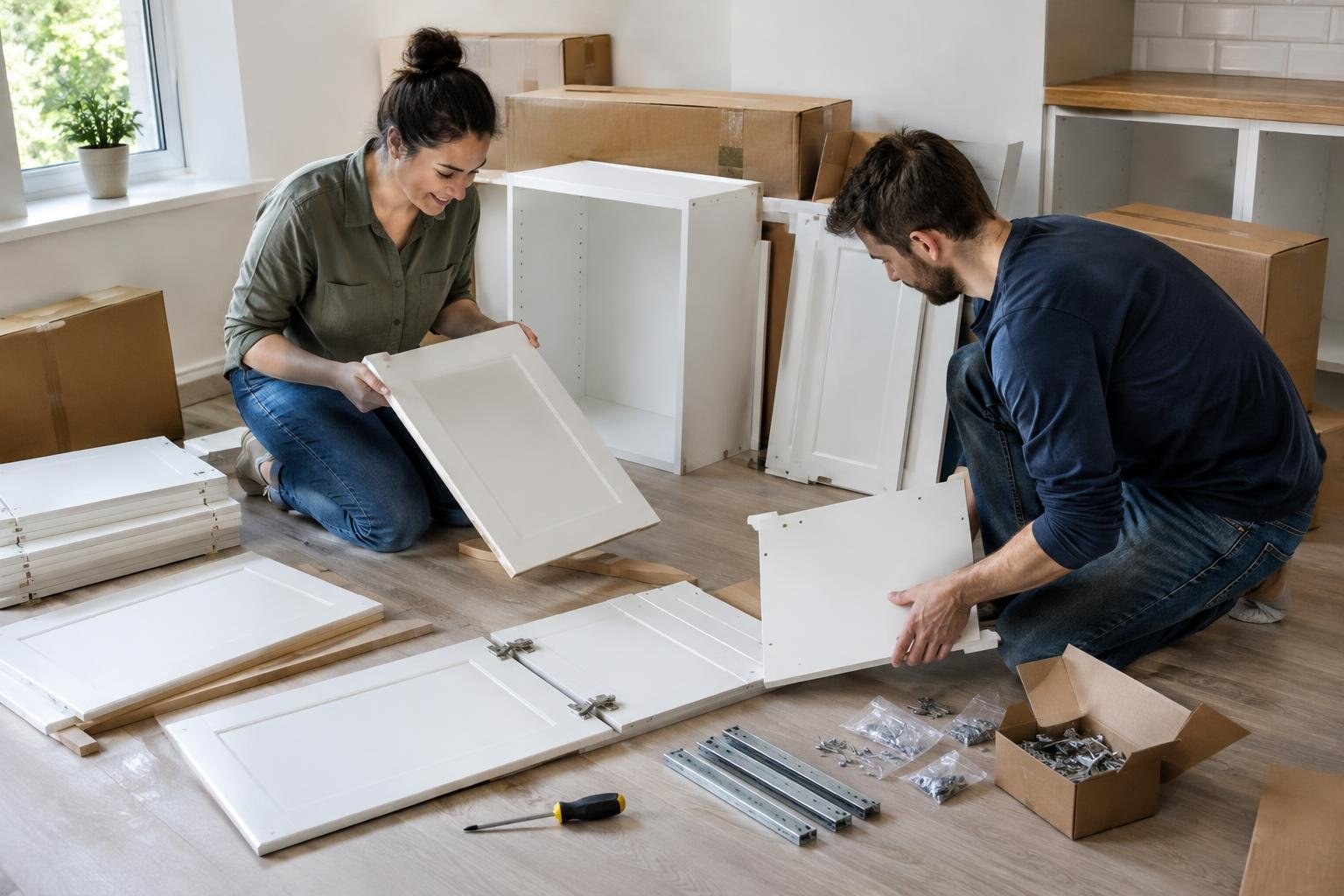
“Cheap” can mean a lower purchase price, a simpler cabinet selection, or a project that keeps existing parts of the kitchen. Those are not interchangeable approaches. Ready-to-assemble (RTA) cabinets are made in preset designs and ship in flat packages, which shifts assembly to the buyer or installer. New cabinets may be available in finished or unfinished options, while used cabinets depend on what is available and whether its dimensions suit your room.
Start with your layout and the work you are willing to take on. A cabinet that is inexpensive but does not fit may require changes, extra pieces, or a different arrangement. Compare options by the complete order and scope, not by a single advertised cabinet.
When should you consider a budget cabinet project?
Affordable cabinets are worth considering when your current layout can stay mostly as it is, when standard sizes can work in the room, or when you can handle some of the project work yourself. They may also make sense if the current cabinets are worn or damaged enough that cleaning and minor cosmetic fixes will not meet your needs.
Before deciding to replace cabinets, identify what problem you are solving. Is it appearance, storage, damaged components, or a layout that no longer works? If the main issue is color or finish, compare the cost and effort of changing the existing cabinets with buying replacements. If storage or layout is the problem, new cabinets may need a different configuration, so a cheap like-for-like order may not address it.
Do not assume used cabinets are automatically a bargain. A homeowner discussing a renovation reported considering reused base cabinets and possibly replacing some doors to make them match. That example illustrates a possible tradeoff, not a guaranteed saving or a recommendation for every kitchen.
How much do cheap kitchen cabinets cost?
Cabinet cost depends on the specific order and what the quote includes.
Ask each provider to quote the same plan and identify these items separately:
- Cabinet count, sizes, style, finish, and whether the units are finished or unfinished.
- Required fillers, panels, trim, shelves, and other pieces shown on the plan.
- Delivery charges and what happens if an item is missing or damaged.
- Assembly and installation, including who is responsible for each.
- Removal and disposal of existing cabinets, if included.
- Any work outside the cabinet order, such as changes needed around countertops, appliances, plumbing, or electrical fixtures.
Do not compare a cabinet-only price with a quote that includes labor or related work. Ask for exclusions in writing so you can judge the project total more fairly.
What affects the project scope and final price?
Several decisions can change the scope of a budget cabinet project. RTA cabinets arrive in flat boxes and require assembly; a buyer who chooses this route should account for that step when comparing options. The order can also vary by size, style, color, configuration, and finish. Some sellers offer both finished and unfinished choices, so clarify whether additional finishing is part of your plan.
Room conditions matter too. A proposed cabinet layout needs to account for existing walls, appliances, openings, and fixed services. A simple replacement in the current footprint is a different job from changing the layout or moving utilities. Ask the provider to state what is included and flag any work that needs a separate trade professional.
Used cabinets add uncertainty: availability, dimensions, condition, and whether matching components can be found all affect whether they are practical. Inspect what is included before committing and compare the adaptation work with the cost of a new order.
Budget cabinet options: pros and tradeoffs
There is no single low-cost cabinet type that fits every kitchen. Compare the options by what you receive, what work remains, and how closely the units fit your room.
| Option | Potential advantage | Tradeoff to check |
|---|---|---|
| Ready-to-assemble new cabinets | Preset designs ship in flat packages and can reduce the amount of pre-assembly work included in the purchase. | You must plan for assembly and confirm that sizes and components work for the layout. |
| New finished cabinets | The cabinets come with a selected finish, and sellers may offer a range of styles and configurations. | Verify the exact sizes, color, included pieces, and delivery and installation terms. |
| New unfinished cabinets | Can suit a project where the buyer wants to handle the finish separately. | Clarify the extra finishing work, materials, and responsibility before comparing totals. |
| Used or salvaged cabinets | May offer a lower purchase price when available units fit the project. | Condition, quantity, matching pieces, and dimensions can limit usefulness or require adaptation. |
RTA is a shipping and assembly format, not by itself a complete measure of cabinet quality. Compare the actual product details and project responsibilities instead of relying on the category name.
Measurements and layout checks before you order
Before requesting quotes, prepare a basic cabinet plan. Measure each wall and record the location and width of doors, windows, appliances, and visible plumbing or electrical points. Note ceiling height and any unusual corners or obstructions. If measurements are uncertain, have the provider or installer verify them before you order.
Use the plan to compare cabinet sizes and quantities across quotes. Check that the proposed arrangement leaves access to appliances, doors, and drawers, and identify any fillers or end panels the plan requires. Do not assume that an online selection or used set will fit just because its total length seems close.
For changes involving plumbing, electrical work, structural elements, or other regulated work, use appropriately qualified professionals and confirm local requirements. Keep cabinet selection and trade work coordinated so a late layout change does not undermine the order.
What to expect from ordering through installation
The cabinet purchase process usually starts with a measured layout and a clear list of priorities. Next, compare product options and request written quotes based on the same plan. Before placing an order, confirm the cabinet sizes, finish, quantities, included components, delivery arrangements, and the party responsible for assembly and installation.
With RTA cabinets, assembly is a distinct step because the units arrive flat-packed. Ask who will assemble them, what tools or workspace are needed, and how the schedule connects delivery to installation. For used cabinets, arrange an inspection and verify the pieces and dimensions before arranging pickup or other logistics.
There is no dependable one-size-fits-all timeline in the available information. Ask for a project-specific schedule that identifies ordering, delivery, assembly, installation, and any follow-up work. Confirm the schedule again before removing a functioning kitchen, and avoid relying on an unverified verbal estimate.
How to judge a low-cost cabinet before buying
When assessing lower-priced cabinets, look beyond the finish shown in a photo. Request product specifications and ask about box construction, backs, shelves, drawer components, hinges, glides, door finish, included hardware, and available warranty terms. The research shows a range of styles and finishes in affordable selections, but a broad product range does not establish the construction details of any specific cabinet.
Inspect a sample or display if possible. Open doors and drawers, check that the pieces feel consistent, and ask how to clean and care for the finish. For an online purchase, get the specifications and the return or damage process in writing. Do not treat soft-close hardware, a particular material, or a photograph as proof that the whole cabinet meets your needs.
For used units, examine them in person when feasible. Look for missing pieces, visible damage, signs of prior modification, and mismatched doors or finishes. Confirm the cabinet count and measurements against your plan before buying.
Design and storage choices that protect your budget
A budget-friendly cabinet choice should still support the way you use the kitchen. Make a short list of what you store, which items need easy access, and whether adjustable shelves or a particular cabinet configuration would help. Some affordable cabinet selections advertise adjustable shelving, while product ranges can differ in colors, sizes, and designs. Verify that the specific units you are considering include the features you want.
Coordinate the cabinet finish with the fixed parts of the room, such as flooring, counters, and appliances. Samples are more useful than judging a small screen image alone. Choose a finish and door style you are comfortable living with, and prioritize a workable storage plan over a trend that adds cost without solving a practical need.
Keep the plan consistent: changing color, size, or configuration after requesting quotes makes those quotes harder to compare. Finalize key choices before placing the order.
Ways to save without creating avoidable problems
You can reduce cost safely by simplifying the plan before ordering. Keep the existing layout where it still works, compare a complete RTA order with other new options, and consider unfinished cabinets only after accounting for the finishing work. A used or salvaged set can be worth investigating if its condition and dimensions match your room.
Request comparable quotes, confirm what is included, and avoid paying for features you do not need. If you plan to assemble or install the cabinets yourself, be realistic about your tools, time, and ability to follow the product instructions. A low purchase price may not be worth the risk of damaging components or creating a poor fit. Have qualified professionals handle work beyond your skill level, especially work involving utilities or structural changes.
Do not cut costs by skipping measurement verification, omitting needed cabinet components, or leaving installation responsibilities unclear. A written scope helps prevent an apparently inexpensive order from turning into a confusing project.
How to choose a qualified provider and review the quote
For a budget order, compare providers on more than the headline price. Ask who confirms measurements, supplies the final layout, handles assembly and installation, coordinates delivery, and addresses missing or damaged parts. Review the written specifications, payment schedule, warranty terms, cancellation or return conditions, and process for approving changes.
Check relevant project references or examples, and confirm licensing and insurance where required for the work being performed. Ask whether the cabinet seller or another contractor is responsible for installation. If the project includes plumbing, electrical, or structural work, confirm that those tasks are assigned to qualified professionals and that local permit requirements have been checked.
A responsible quote should make the scope and exclusions understandable. Be cautious if a provider will not put the cabinet sizes, finish, quantities, responsibilities, or change process in writing. The lowest bid is not necessarily the best value if it excludes work that another quote includes.
When you are ready to compare cabinet choices, explore cabinet options at CabinetSupply.com and use your measurements and project priorities to narrow the selection.
Budget cabinet red flags and a final checklist
Use this checklist before you commit:
- Measure the room and verify the final layout with the provider or installer.
- Compare the same cabinet count, sizes, configuration, and finish in each quote.
- Confirm whether cabinets are assembled, ready to assemble, finished, or unfinished.
- List delivery, assembly, installation, removal, and any related work as included or excluded.
- For used cabinets, inspect condition and verify every included unit and component.
- Ask about specifications, warranty terms, returns, damage claims, and change orders.
- Confirm the schedule and who is responsible for each project stage.
- Check local requirements and use qualified professionals for regulated or hazardous work.
Common mistakes include buying on price alone, assuming a used set will fit, overlooking assembly, and comparing quotes with different scopes. Another avoidable problem is changing the layout after cabinets have been selected. Resolve measurements, responsibilities, and product details before ordering.
Factors that affect the project
The project is shaped by more than the cabinet price. First, the cabinet format affects the work: ready-to-assemble cabinets ship in flat boxes and need assembly, while finished and unfinished options involve different finishing responsibilities. Account for who will handle each step when comparing plans.
Next, consider the layout and the specific units available. Cabinet sizes, colors, styles, and configurations vary, so check that the pieces you select suit your room and storage needs. Used cabinets add another variable: their condition, dimensions, and whether matching doors or other components are available can affect how much adaptation is needed.
Finally, compare the complete order rather than a single cabinet. Confirm the quantities and included pieces, then clarify delivery, assembly, and installation responsibilities. These factors help explain why two cabinet choices with similar listed prices may involve different project work.
Frequently asked questions
What are ready-to-assemble kitchen cabinets?
Ready-to-assemble (RTA) cabinets arrive in flat packages and require assembly before installation. That format can reduce cost compared with buying assembled cabinets, but compare the full order and account for assembly work, delivery, and installation.
Are used kitchen cabinets worth buying?
Possibly, if you can find units that fit your layout and verify their condition, completeness, and dimensions before buying. Used cabinets may require replacement doors or other adjustments, so assess the total effort and cost rather than the asking price alone.
What is the cheapest type of kitchen cabinet?
There is no single best low-cost option for every kitchen. RTA can suit buyers comfortable with assembly, while new finished or unfinished cabinets offer different selection and finishing choices. Used cabinets may work when their sizes and condition match the project.
How much do cheap kitchen cabinets cost?
There is no reliable universal price in the available information. Ask for a written quote based on your layout and compare cabinet contents, delivery, assembly, installation, and any excluded work before deciding.
How do I compare kitchen cabinet quotes?
Compare the cabinet dimensions and included components with your measured plan, then check the written order for finish, quantity, delivery, assembly, and installation details. Confirm who handles adjustments and what happens if an item arrives damaged or incorrect.
Should I buy new or used kitchen cabinets?
Used cabinets can be a fit for a layout that accepts their existing sizes and arrangement, especially if you can inspect them before purchase. New cabinets offer a more predictable order of matching units, while used options may need repairs or replacement doors.
People Also Ask
What does RTA mean for kitchen cabinets?
RTA is short for ready to assemble. The cabinets ship as components in flat packages and must be assembled before installation. Confirm the order includes the parts and instructions you need, and decide who will assemble and install them.
Can I save money by buying unfinished kitchen cabinets?
Yes, unfinished cabinets are an option offered alongside finished cabinets by some sellers. Ask what additional preparation or finishing is required and who will do it, then compare the full cost and work with a finished alternative.
Are discount kitchen cabinets always cheaper overall?
Sometimes, but a lower cabinet price does not establish that the complete project will cost less. Compare the same cabinet count and configuration, plus delivery, assembly, installation, and any related work, before choosing.
What should I measure before ordering kitchen cabinets?
Measure the walls and note openings, appliances, plumbing, and other fixed features before choosing sizes. Check each proposed unit against the layout, and have the installer or cabinet supplier confirm the plan before ordering.
How can I lower the cost of a kitchen cabinet project?
First check whether the existing boxes are sound and whether the layout still works. If the cabinets are not a good fit, compare new RTA, other new cabinets, and used options against the cost and effort of adapting the existing arrangement.
How long does it take to get and install budget kitchen cabinets?
It depends on the cabinet option, order, assembly, and installation plan. Request a schedule that identifies ordering, delivery, assembly, installation, and any follow-up work; do not rely on a timing assumption that is not confirmed for your project.
Cheap kitchen cabinets can be a sensible choice when the layout is straightforward, the sizes suit the room, and the construction and finish meet your needs. Compare complete written quotes, not just cabinet prices. Include delivery, assembly, installation, fillers, trim, and any work affected by changing the cabinets. Choose the least expensive option that fits your space and expectations, rather than assuming the lowest initial price will be the lowest-cost project overall.
Your next step
Explore cabinet options at CabinetSupply.com for your next project.
Last reviewed and updated October 15, 2026 by the CabinetSupple Editorial Team.
Sources
- Cheap Kitchen Cabinets: The Best Places to Shop for Them | Apartment Therapy
- Cabinets | Discount Kitchen and Bathroom Cabinets
- r/HomeImprovement on Reddit: Cheaper to buy kitchen cabinets from Ikea, Home Depot, Lowes, or locally?
- Cheap Kitchen Cabinets | CabinetSelect.com
- How to Find Cheap or Free Kitchen Cabinets
- Amazon.com: Cheap Kitchen Cabinets
- Cheap Kitchen Cabinets | Shop online | 80+ Styles In Stock | Best Price|Free Shipping
- Kitchen Cabinets – Affordable Kitchen Cabinetry – IKEA